Accessible luxury cruising: low-mobility suites & effortless excursions
November 2026

Rashmi Latchman
Social Media & Content Executive
- Home
- >
- The Reading Deck
- >
- Accessible luxury cruising: low-mobility suites & effortless excursions
Finding a holiday that genuinely works without the hassle means looking beyond the brochure photos. A stateroom that looks roomy on paper might leave very little turning room for a wheelchair, and an itinerary filled with tender ports can quickly turn a dream holiday into a frustrating exercise.
At The Cruise Line, our consultants have stepped aboard new and refurbished ships to inspect layouts firsthand. Drawing on insights from our team, this guide explores what low-mobility suites deliver in reality, which fleets excel, and how to plan smooth journeys from ship to shore.
What makes an accessible suite work
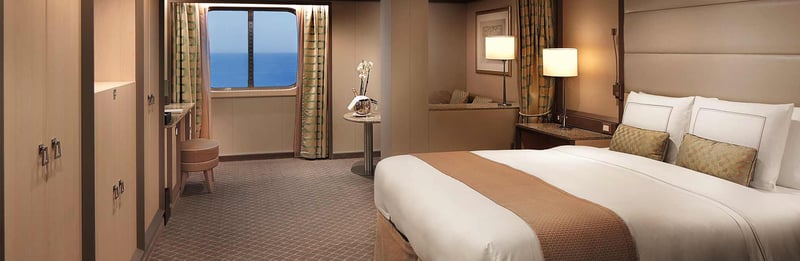
Modern accessible cabins on cruise ships have evolved into genuine sanctuaries. Rather than feeling adapted as an afterthought, purpose-built suites on premier lines are built with step-free living in mind:
- Wider doorways and clear floors: Entrance doors are widened (usually 82 to 90 cm) with flat thresholds so wheelchairs and walkers roll straight through without catching. Inside, there is plenty of open floor space on either side of the bed to turn around comfortably.
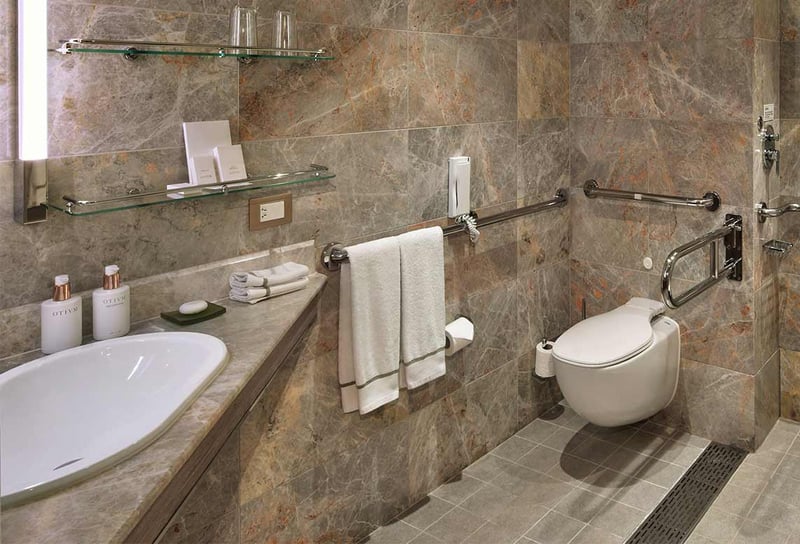
- Large, roll-in wet rooms: Bathrooms have level flooring with no step into the shower, fold-down bench seating, sturdy grab rails, lower basins, and raised toilets.
- Thoughtful living details: Lowered wardrobe rails, reachable safe boxes, and bedside emergency pull cords ensure total independence and everyday comfort.
Which ships lead the way? - Insights from our team
While many mainstream operators offer adapted facilities, luxury and boutique lines stand out by pairing generous suite architecture with attentive, personalised service. Here is what our consultants noted from their recent ship visits:
Silversea Cruises
Feedback from Ben and Louisa:
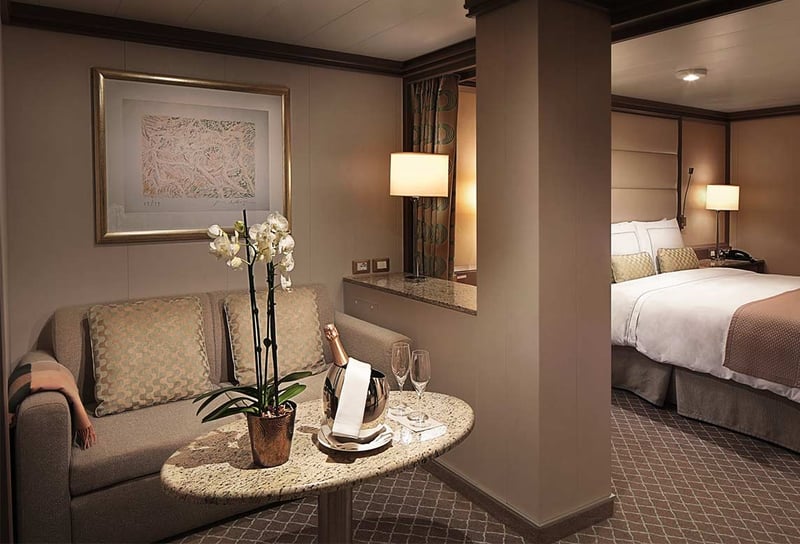
“Silversea’s accessible Silver Suite was very spacious, with plenty of room to move around comfortably.” They highlighted that adjustable-height tables made daily living far more practical, while “the bathroom was particularly large and designed with accessibility in mind.” Several of our clients with mobility requirements regularly book with Silversea for this level of ease. For more detail on choosing the right suite category, read our latest guide.
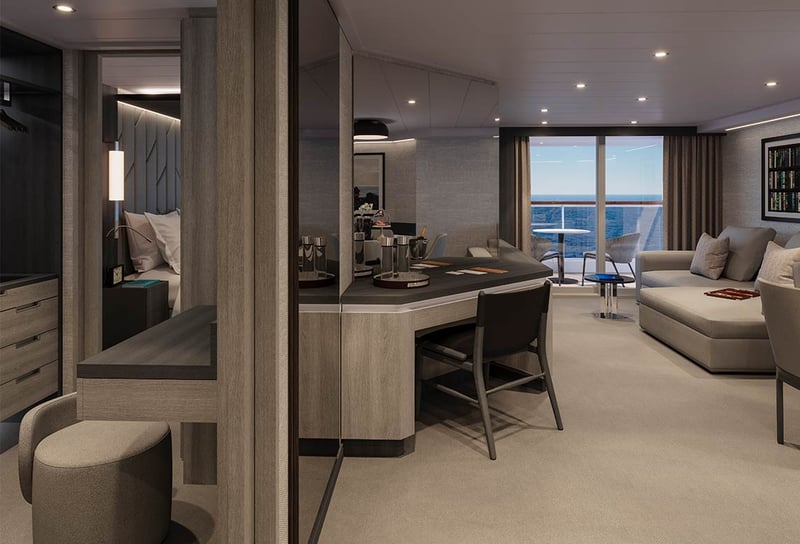
Explora Journeys
Feedback from Rashmi and Louisa:
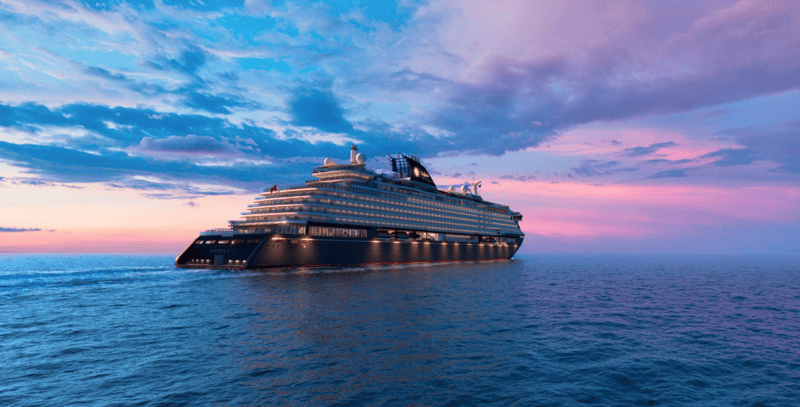
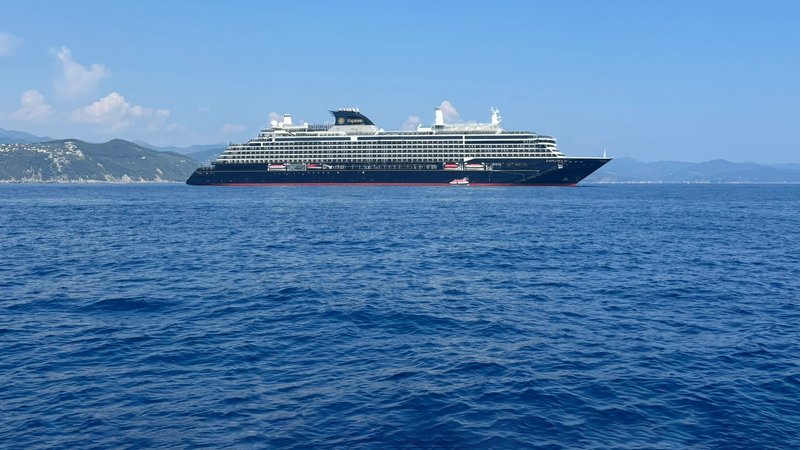
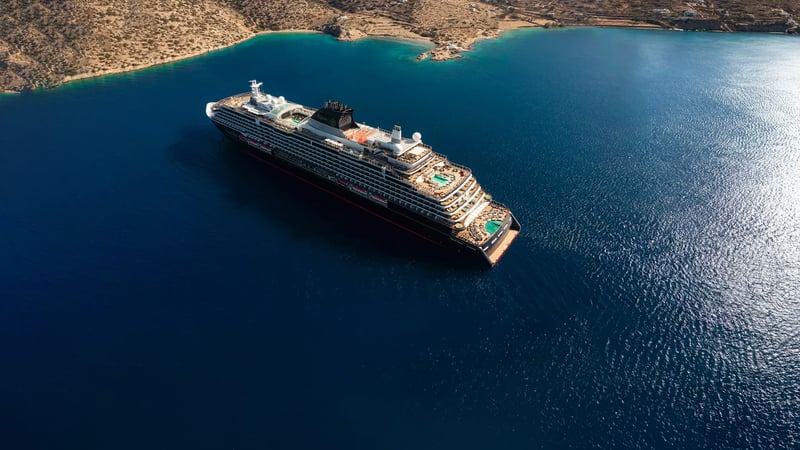
Across Explora Journeys’ fleet, “the accessible suites were spacious, with plenty of room to move around.” They also noted that “the bathrooms were generously sized and well suited to guests with mobility requirements,” offering step-free access without losing any modern residential polish.
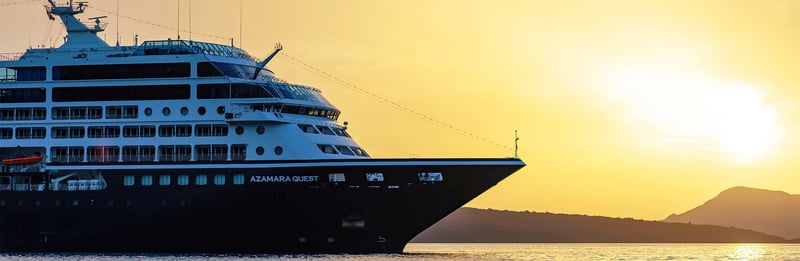
Azamara Cruises
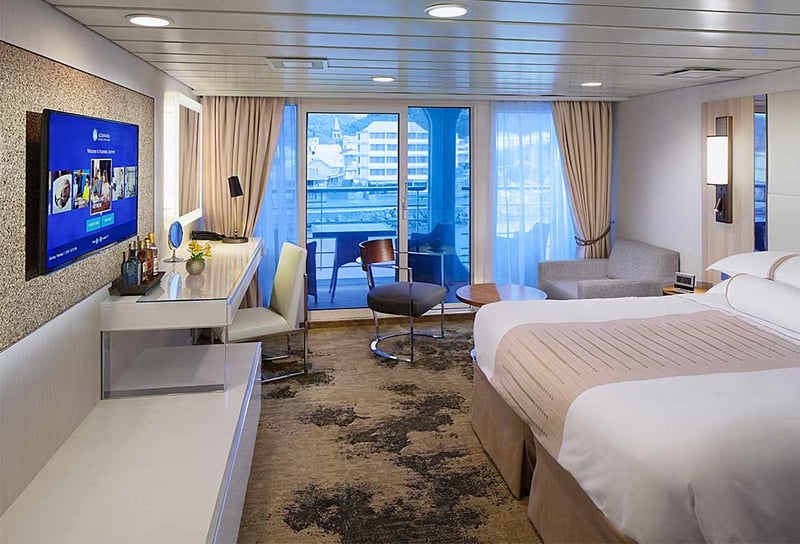
Feedback from Ben:
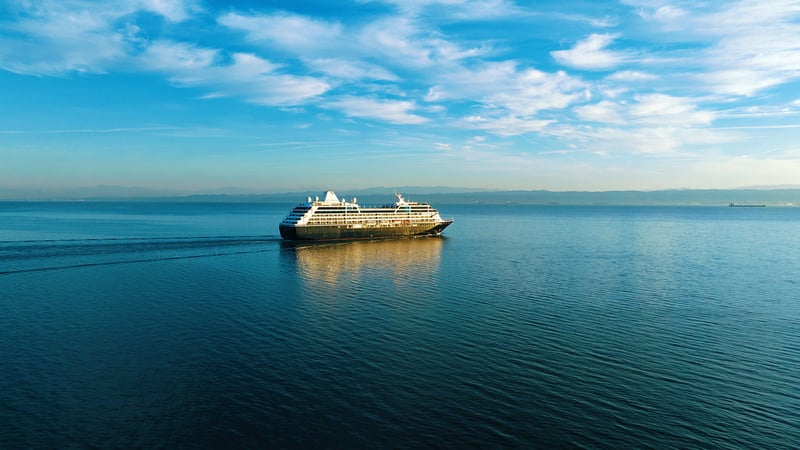
Azamara’s accessible Interior staterooms are “exceptionally spacious” and have received consistently positive feedback from our clients with accessibility needs. For guests with visual impairments, Ben also noted that “Braille signage is available on board,” making getting around the ship much easier.
Swan Hellenic
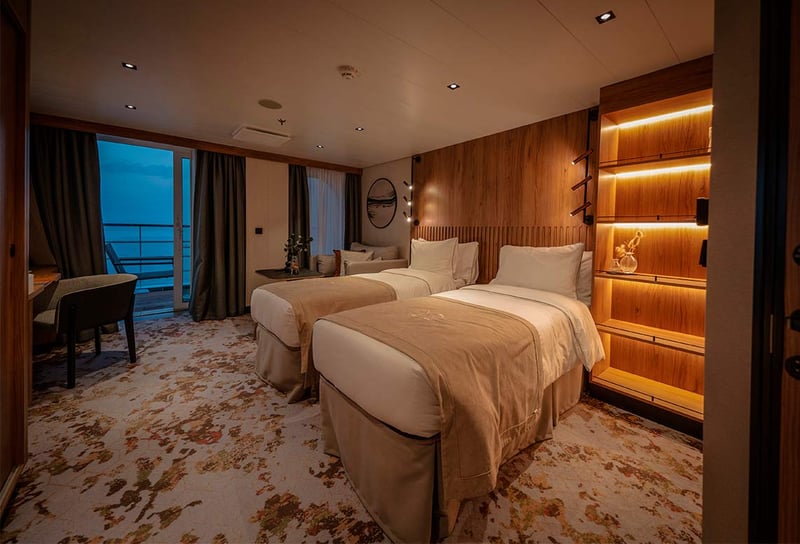
Feedback from Louisa:
Aboard Swan Hellenic’s SH Vega, “the accessible Oceanview accommodation featured a particularly large, wet-room-style bathroom.” As Louisa pointed out: “Having accessible accommodation on an expedition ship is a significant advantage, as these options can be limited within the expedition cruise sector.”
Seabourn
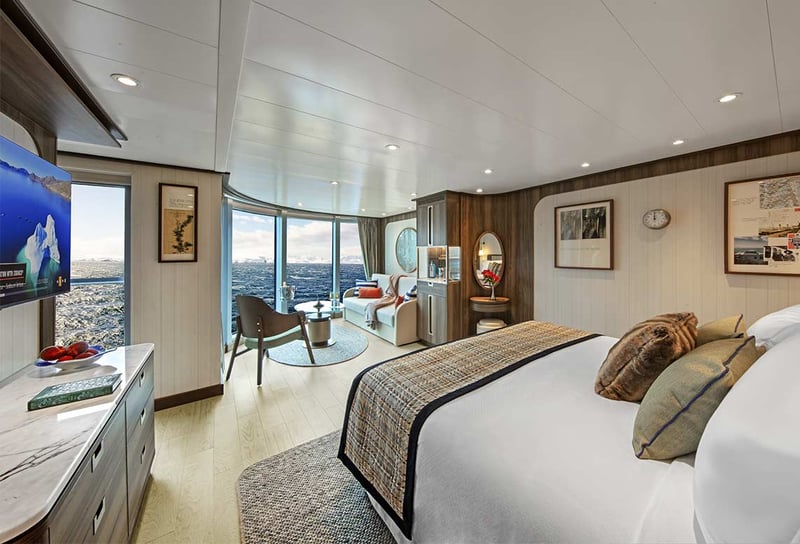
Feedback from Louisa and Rashmi:
Seabourn provides dedicated accessible accommodation for guests with mobility requirements across its fleet. Because suite configurations vary between ships, our team always suggests checking specific deck layouts with us before booking to ensure the threshold and balcony access suit your equipment. You can also explore layout considerations in our Seabourn suite guide.
Cunard Cruises
Feedback from Lynne and Ben:
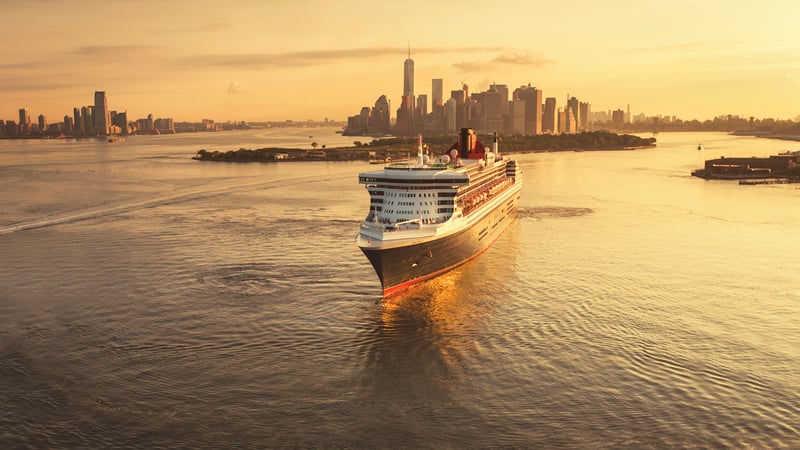
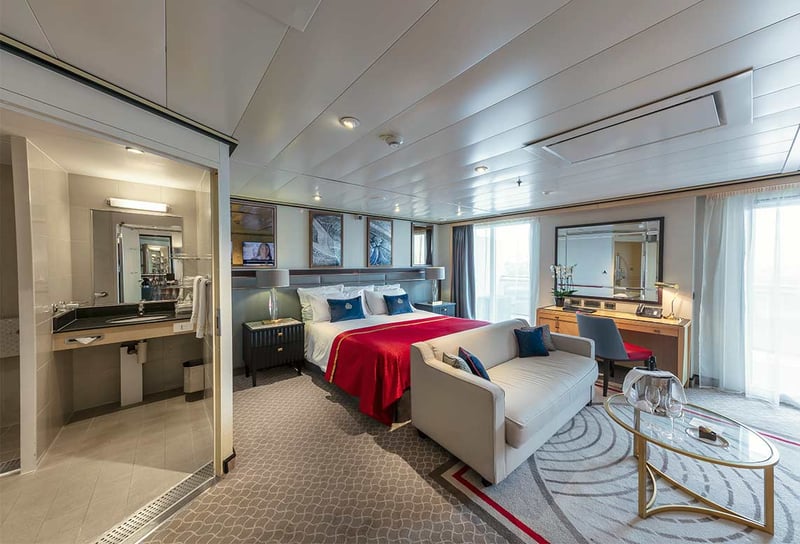
“The accessible accommodation on Cunard’s Queen Mary 2 was spacious, with a large wet-room-style bathroom.” However, Lynne and Ben caution that “Cunard may not be the most suitable option for all guests with accessibility requirements.” In particular, guests who require an evacuation chair must arrange this in advance, as onboard availability is strictly limited.
Going ashore: Dockside ports, tenders, and excursions
A holiday should be just as relaxing off the ship as it is on board. When evaluating the best cruises for wheelchair users and cruises for seniors with mobility issues, understanding how your ship visits each destination is critical:
Dockside berths vs tender transfers
- Dockside calls: The ship ties up directly alongside the pier. Gangways are wide and set at manageable inclines, allowing smooth disembarkation for wheelchair users and those using walking frames.
- Tender ports: The ship anchors in open water, ferrying passengers ashore in smaller tender boats. Boarding requires navigating steps and stepping across moving thresholds as the swell moves the boat. In rough sea conditions, tender transfers are often suspended for safety. We strongly recommend selecting itineraries weighted heavily toward scheduled dockside calls.
What to know about river and expedition cruising
Our team shared two candid observations for travellers considering specialised styles of cruising:
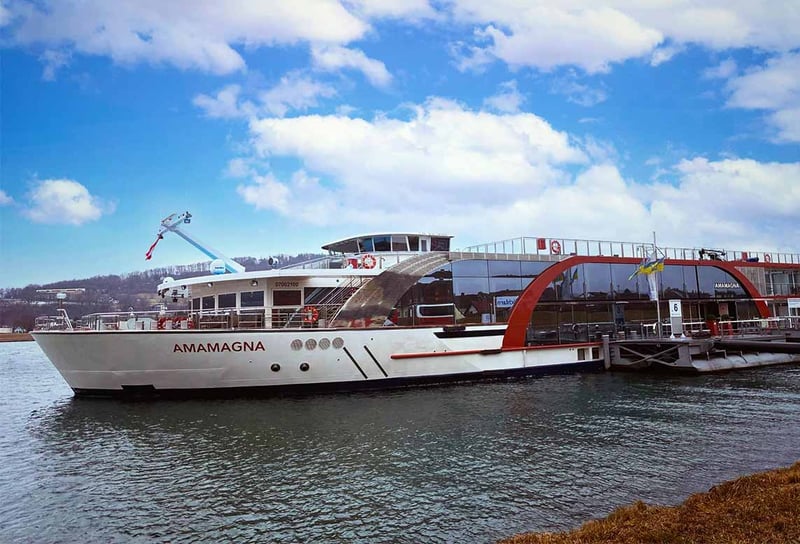
- River cruising: We generally advise against European river cruises for anyone with substantial mobility limitations. River boats are compact, lifts rarely go up to the sun deck, and ships regularly tie up side by side along the riverbank. That often means walking through another vessel’s lobby, crossing steep metal gangways, or climbing narrow pontoon stairs just to reach the street.
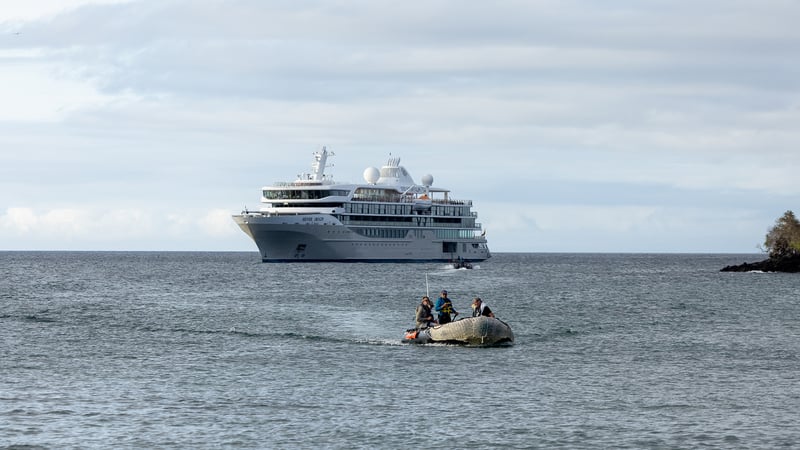
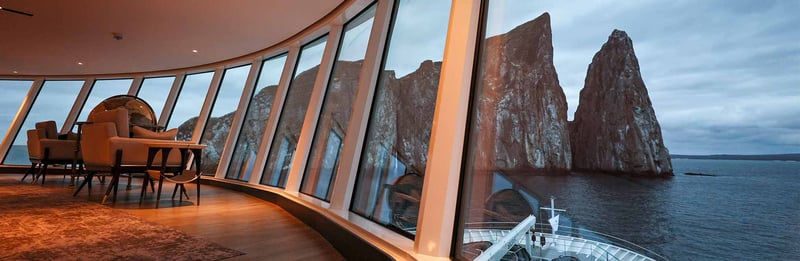
- Zodiac excursions: Expedition trips rely on small inflatable boats to take guests ashore in places like the Arctic or Antarctica. Getting in and out requires stepping down from the ship onto a moving pontoon and keeping your balance as the water shifts. The crew gives you a firm hand to steady you, but you still need enough mobility to step across and sit down safely. For guests who cannot make that transfer, an expedition ship still offers incredible panoramic views from the lounges and balconies, but going ashore will be limited.
Planning accessible cruise excursions
For meaningful sightseeing, we advise against large 50-seater coach excursions, which often feature steep steps and rushed schedules. Instead, opt for dedicated accessible cruise excursions booked through the line’s access concierge or our bespoke travel desk:
- Accessible vehicles: Minivans equipped with hydraulic lifts or flat loading ramps.
- Step-free routes: Itineraries mapped through level historic districts, avoiding cobblestones, steep gradients, and historic staircases.
- Pre-screened comfort: Verified accessible restrooms and ground-floor dining venues throughout your day ashore.
Plan your accessible voyage with The Cruise Line
Whether you need a spacious wet-room suite, guidance on specific deck layouts, or an itinerary with sheltered quayside berths, our experienced Voyage Consultants are here to guide you every step of the way.
Get in touch with one of our Voyage Consultants today or explore our collection of luxury cruise lines to start planning your seamless journey.



 19 Nov '26
 6 nights