
What is a Six-Star Cruise? Ultra-Luxury Cruising Explained
March 2026
- Home
- >
- The Reading Deck
- >
- What is a Six-Star Cruise? Ultra-Luxury Cruising Explained
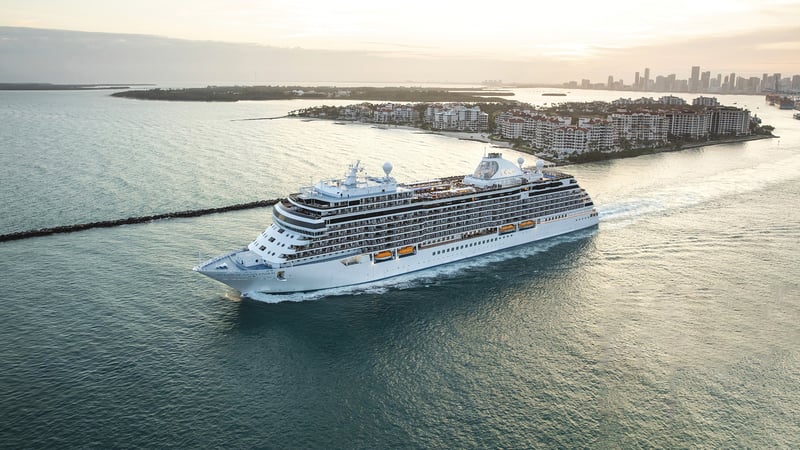
You've probably seen the term "six-star cruise" thrown around by travel agents and cruise lines. But what does it actually mean? Is there an official rating system? And which cruise lines genuinely earn that label?
The short answer: no official six-star rating exists for cruises. Unlike hotels, where tourism boards and independent agencies hand out stars, cruise lines operate outside any standardised rating system. The industry uses "six-star" as shorthand for ultra-luxury cruising, drawing a clear line between the very top tier and merely premium or five-star experiences.
This guide breaks down what sets six-star cruises apart, which lines genuinely make the grade, and whether the extra cost is worth your money.
What Makes a Cruise “Six-Star”?
No official checklist exists, but the cruise industry has built a clear informal consensus around what six-star actually means. These are the things that separate ultra-luxury from premium cruising.
1. Genuinely All-Inclusive Fares
On a six-star cruise, almost everything comes with the fare. Not just meals and basic drinks, but premium wines, spirits, and champagne across the whole ship. Not just the main dining room, but every speciality restaurant with no surcharges. Gratuities, Wi-Fi, and often shore excursions all sit inside the price too.
The best six-star lines (Regent Seven Seas, in particular) throw in flights and transfers as well. You board the ship, spend a week sailing, and never sign a bill or reach for your wallet. If you want to dig deeper into how all-inclusive cruising actually works, we’ve covered it in full.
This puts six-star cruising in a completely different league from five-star, where drinks packages, speciality dining, and excursions all add up on the side.
2. Small Ships with High Space Ratios
Six-star ships stay small, typically carrying fewer than 750 guests, with many sitting in the 300 to 600 range. Fewer guests means shorter queues (or none at all), sharper service, and a far more intimate feel on board. If small ship cruising appeals to you, six-star lines do it better than anyone.
The passenger space ratio matters here too. Six-star ships consistently rank among the highest in the industry, so public areas breathe even when every cabin is full.
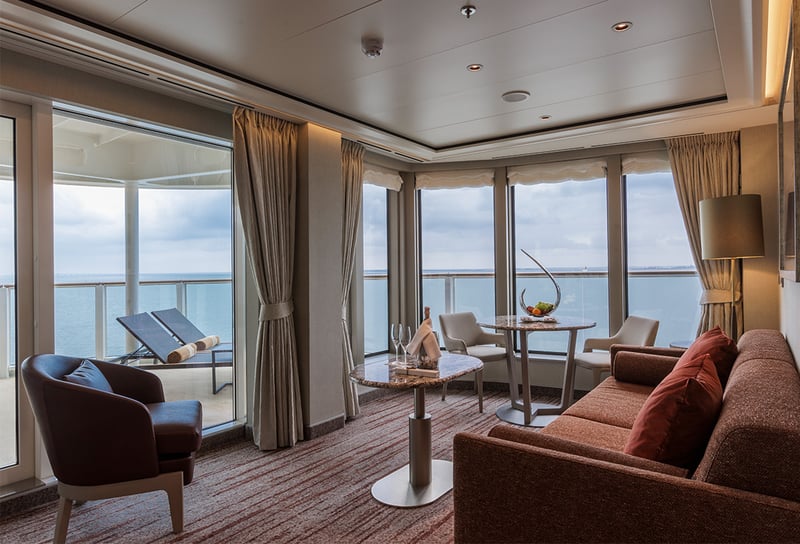
3. All-Suite Accommodation
Six-star lines call all their accommodation suites, and they back it up. Even entry-level cabins run significantly larger than standard staterooms on mainstream ships, with separate seating areas, quality bedding, marble bathrooms, and in almost every case, a private balcony.
Move up the categories, and you’ll find butler service, walk-in wardrobes, and in-suite dining straight from the full restaurant menus.
4. Exceptional Crew-to-Guest Ratios
Service is what truly lifts six-star cruising above everything else. The best lines run crew-to-guest ratios of around 1:1 or better, so staff genuinely have the time to learn your name, remember your preferences, and get ahead of what you need before you ask.
Silversea now offers butler service across every suite category, not just the top end. These aren’t cabin stewards with a fancier job title; they manage reservations, serve breakfast in-suite, handle pressing and laundry, and bring caviar on demand.
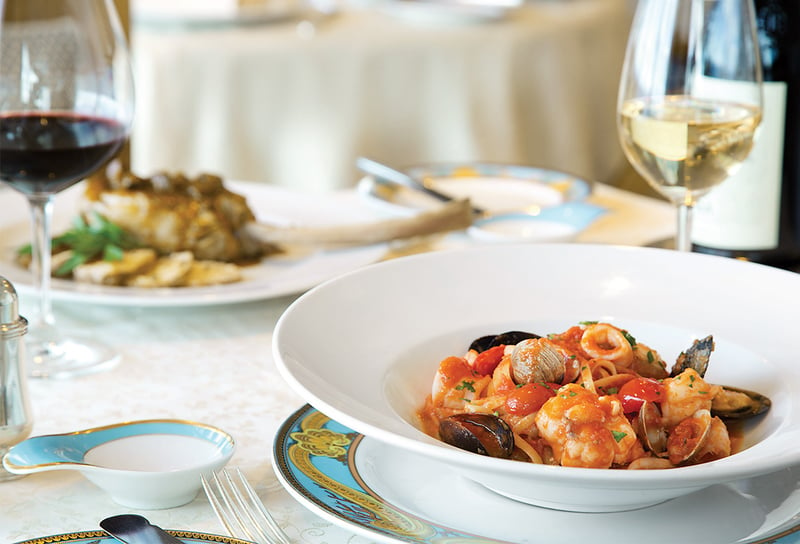
5. Gourmet Dining
Six-star dining leaves the mainstream cruise buffet far behind. Multiple speciality restaurants, no surcharges, menus shaped by Michelin-starred chefs or serious culinary consultants, and wine lists that would stand up in a fine restaurant ashore. Ingredients often come from local suppliers in port. Service runs polished but never rushed. Open seating means you eat when you want and with whoever you choose.
6. Destination-Focused Itineraries
Six-star lines pick better ports, stay longer, and build in more overnights than mainstream competitors. Shore excursions often come included, and the top lines go further still, offering private museum access, behind-the-scenes tours, and genuine cultural immersion you won’t find on a larger ship.
Expedition cruising to Antarctica, the Arctic, and the Galápagos also sits firmly in six-star territory, with lines like Silversea, Seabourn, and Ponant leading the way.
Which Cruise Lines Are Considered Six-Star?
The cruise industry broadly agrees that the following ocean lines meet the six-star standard.
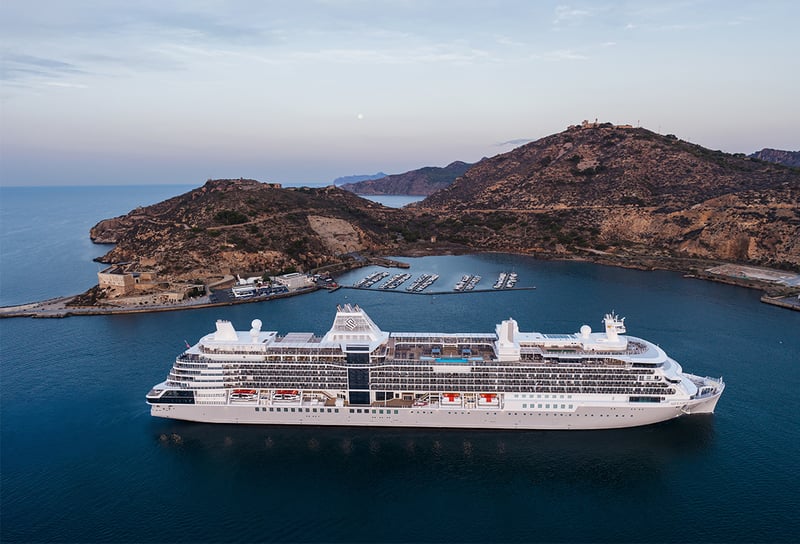
Regent Seven Seas Cruises
Regent regularly tops the list as the most all-inclusive cruise line afloat. The fare covers flights, transfers, unlimited shore excursions, all dining, premium drinks, gratuities, and Wi-Fi. Suites rank among the largest at sea, with the Regent Suite stretching over 400 square metres. For a detailed comparison, our Silversea vs Regent Seven Seas guide puts them head-to-head.
Why it’s six-star: Maximum inclusivity, exceptional suites, and service standards that rarely slip. Browse the latest Regent Seven Seas cruise deals.
Silversea Cruises
Silversea pulls off something most luxury lines don’t: genuine ultra-luxury paired with real expedition capability. The ocean fleet runs intimate ships (274 to 728 guests), butler service in every suite, and a sophisticated European atmosphere. The expedition fleet takes that same standard to Antarctica, the Arctic, and the Galápagos.
Why it’s six-star: Butler service for every guest, outstanding food through the S.A.L.T. culinary programme, and expedition credentials other luxury lines simply can’t match. See our Silversea cruise deals for current offers.
Seabourn
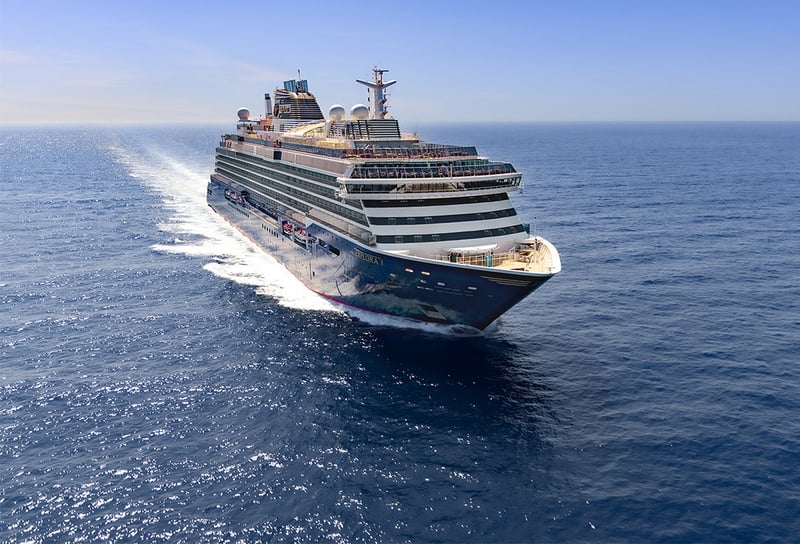
Seabourn runs ships between 264 and 600 guests and delivers a yacht-like atmosphere with service to match. Complimentary watersports from the marina, Ventures by Seabourn kayak and Zodiac excursions, and caviar on demand all come included. The two newest ships, Seabourn Venture and Pursuit, add submarine capability for polar and tropical expeditions.
Why it’s six-star: Intimate ships, standout service, and included experiences (watersports, submarines) that no other line offers. Check the latest Seabourn cruise deals.
Explora Journeys
Explora Journeys arrived in 2023 as the freshest face in ultra-luxury cruising. Ships carry around 900 guests in spacious suites, every one with an ocean view and a terrace. The design leans modern and European, the atmosphere stays relaxed, and the inclusions are genuinely comprehensive.
Why it’s six-star: Design-forward ships, generous all-inclusive fares, and a contemporary take on luxury that feels genuinely different. Browse Explora Journeys cruise deals.
Ponant
Ponant brings French elegance to small ship and expedition cruising, with ships running from just 92 to 264 guests. The flagship Le Commandant Charcot is a luxury icebreaker capable of reaching the Geographic North Pole. Sophisticated, cosmopolitan, and with cuisine to match, Ponant goes places most lines never will.
Why it’s six-star: French style, extraordinary expedition reach, and ships compact enough to access the truly remote. Our best expedition cruise lines guide covers Ponant and the other top players in detail.

Five-Star vs Six-Star: What’s the Difference?
The terminology gets confusing fast because no official definition pins it down. In broad terms, five-star (or “premium”) lines deliver a high-quality experience but hold back on inclusions. Here’s how the two tiers compare in practice:
Drinks: Six-star lines pour premium drinks across the whole ship. Five-star lines often limit this to wine with meals or push a drinks package.
Dining: Six-star lines open every speciality restaurant without a surcharge. Five-star lines frequently charge extra for the best venues.
Shore excursions: Six-star lines often include these outright (Regent covers unlimited excursions). Five-star lines almost always charge separately.
Gratuities: Six-star lines bundle these in. Five-star lines often add them automatically or leave them to the guest.
Flights: Regent includes flights. Nearly every other line, five or six-star, charges separately.
Butler service: Six-star lines extend this to all suites (Silversea) or higher categories (Regent, Seabourn). Five-star lines rarely offer it at all.
Ship size: Six-star ships stay under 750 guests. Five-star ships can run to 1,000 or 2,000.
Lines that generally sit in the five-star or upper-premium bracket include Oceania, Viking, and Azamara. If you’re weighing up two of those, our Oceania vs Azamara guide lays it all out.
Is a Six-Star Cruise Worth It?
Six-star makes sense if you: Hate surprise bills and want to know exactly what you’re paying upfront. Rate exceptional, personalised service above everything else. Prefer smaller ships and a genuinely intimate feel. Want gourmet dining without watching the bill. Need larger suites and butler service. Have cruised before and want to step up from premium.
Six-star might not be for you if you: Don’t drink much (the all-inclusive drinks benefit won’t move the needle). Are happy with a compact cabin and have no need for a butler. Would rather explore ports on your own than join organised excursions. Are travelling with children (six-star lines lean firmly adult). Are working with a tighter budget and want to stretch it further.
The price gap between five-star and six-star looks wide on paper, but it closes quickly once you start adding drinks packages, speciality dining, excursions, and gratuities to a five-star fare. Run the numbers for your specific sailing before you decide. And if you’re still finding your feet in the world of luxury cruising, our complete first-timer’s guide is the best place to start.
Is There Such a Thing as Seven-Star Cruising?
Some marketing materials throw “seven-star” around, but it means nothing. Six-star already sits at the top of the informal scale. Seven-star is pure hyperbole.
The only genuine upgrade beyond six-star is chartering a private yacht or securing the very top suite on an ultra-luxury ship, like Regent’s Regent Suite, which spans two decks and comes with its own spa and sauna.
The Bottom Line
A six-star cruise is the pinnacle of ocean travel: small ships, exceptional service, gourmet dining, and genuine all-inclusivity. The label may be informal, but the experience is unmistakable. If you’ve cruised before and want to understand what all the fuss is about, a six-star voyage will settle it.
The best six-star lines give you something money doesn’t easily buy elsewhere: space, time, and real attention. Your name gets learned. Your preferences get remembered. And your wallet stays firmly in your pocket.
Curious about six-star cruising? Browse our luxury cruise offers or get in touch for honest advice on which line suits your style.
Last updated: February 2026