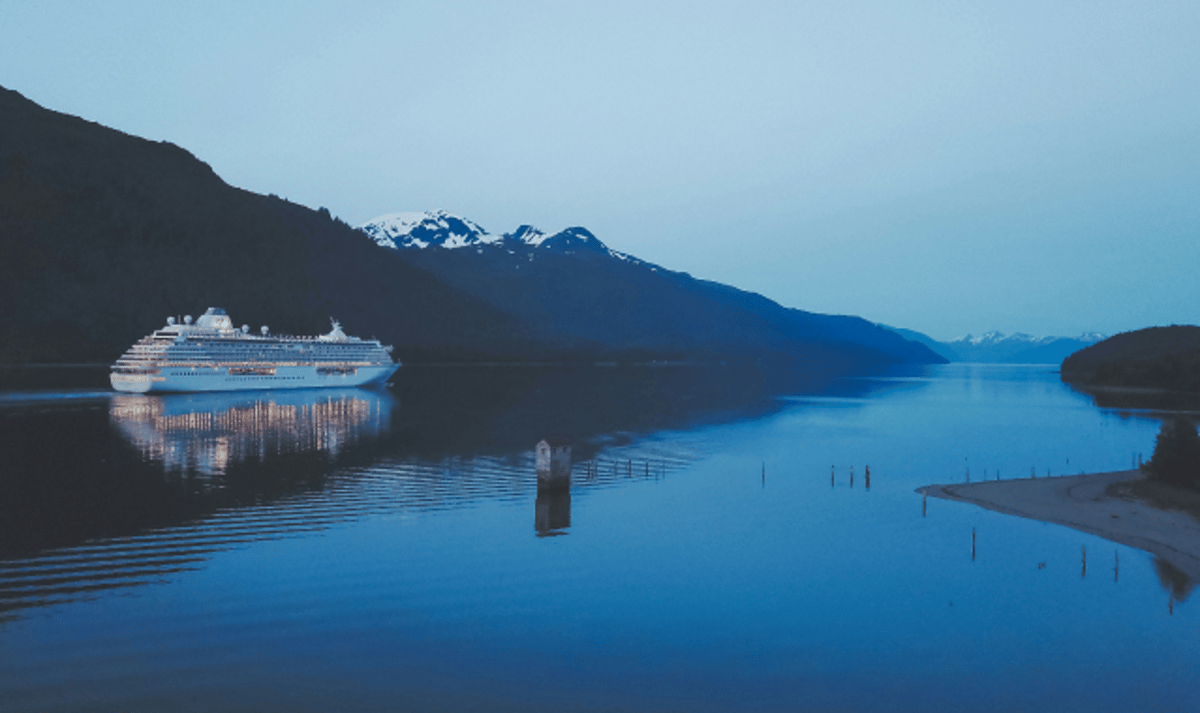
Kyoto & the Zen of Japan Cruise Tour

 12 nights
 Star Seeker
 30 Apr '27
Cruise overview
From the tranquil Zen beauty of Kinkakuji Temple to the vibrant blinking plasma screens and incessant press of pedestrians throughout Tokyo’s Shibuya Station, this 12-day cruise tour throughout Japan combines pristine natural beauty with contemporary and cosmopolitan contrasts. Nibble on freshly caught fish paired with salty soy sauce and fiery wasabi in Shimizu’s world-famous Fish Market. Meander among East Asian relics and prehistoric stone tools in Busan’s museums, ornate temples and royal tombs in Gyeongju, one of South Korea’s most famous UNESCO World Heritage Sites. Sip steamy green tea in the peaceful shade of chestnut trees near the scenic Ritsurin Garden in Takamatsu City, or participate in the ancient rituals of a formal tea ceremony. Examine Kyoto’s majestic temples and storied Nijo Castle in detail as part of a 2-night inland stay, or explore the Zen temple of Tenryuji in scenic and peaceful Arashiyama, one of the most popular destinations in the city. It’s a perfect journey for those who love Japan, and adventurous travelers who want to go further inland to explore the distinctive culture and history of Kyoto.
Itinerary
Yokohama
In 1853, a fleet of four American warships under Commodore Matthew Perry sailed into the bay of Tokyo (then Edo) and presented the reluctant Japanese with the demands of the U.S. government for the opening of diplomatic and commercial relations. The following year Perry returned and first set foot on Japanese soil at Yokohama—then a small fishing village on the mudflats of Tokyo bay. Two years later New York businessman Townsend Harris became America’s first diplomatic representative to Japan. In 1858 he was finally able to negotiate a commercial treaty between the two countries; part of the deal designated four locations—one of them Yokohama—as treaty ports. In 1859 the shogunate created a special settlement in Yokohama for the growing community of merchants, traders, missionaries, and other assorted adventurers drawn to this exotic new land of opportunity. The foreigners (predominantly Chinese and British, plus a few French, Americans, and Dutch) were confined here to a guarded compound about 5 square km (2 square miles)—placed, in effect, in isolation—but not for long. Within a few short years the shogunal government collapsed, and Japan began to modernize. Western ideas were welcomed, as were Western goods, and the little treaty port became Japan’s principal gateway to the outside world. In 1872 Japan’s first railway was built, linking Yokohama and Tokyo. In 1889 Yokohama became a city; by then the population had grown to some 120,000. As the city prospered, so did the international community and by the early 1900s Yokohama was the busiest and most modern center of international trade in all of East Asia. Then Yokohama came tumbling down. On September 1, 1923, the Great Kanto Earthquake devastated the city. The ensuing fires destroyed some 60,000 homes and took more than 40,000 lives. During the six years it took to rebuild the city, many foreign businesses took up quarters elsewhere, primarily in Kobe and Osaka, and did not return. Over the next 20 years Yokohama continued to grow as an industrial center—until May 29, 1945, when in a span of four hours, some 500 American B-29 bombers leveled nearly half the city and left more than half a million people homeless. When the war ended, what remained became—in effect—the center of the Allied occupation. General Douglas MacArthur set up headquarters here, briefly, before moving to Tokyo; the entire port facility and about a quarter of the city remained in the hands of the U.S. military throughout the 1950s. By the 1970s Yokohama was once more rising from the debris; in 1978 it surpassed Osaka as the nation’s second-largest city, and the population is now inching up to the 3.5 million mark. Boosted by Japan’s postwar economic miracle, Yokohama has extended its urban sprawl north to Tokyo and south to Kamakura—in the process creating a whole new subcenter around the Shinkansen Station at Shin-Yokohama. The development of air travel and the competition from other ports have changed the city’s role in Japan’s economy. The great liners that once docked at Yokohama’s piers are now but a memory, kept alive by a museum ship and the occasional visit of a luxury vessel on a Pacific cruise. Modern Large as Yokohama is, the central area is very negotiable. As with any other port city, much of what it has to offer centers on the waterfront—in this case, on the west side of Tokyo Bay. The downtown area is called Kannai (literally, “within the checkpoint”); this is where the international community was originally confined by the shogunate. Though the center of interest has expanded to include the waterfront and Ishikawa-cho, to the south, Kannai remains the heart of town. Think of that heart as two adjacent areas. One is the old district of Kannai, bounded by Basha-michi on the northwest and Nippon-odori on the southeast, the Keihin Tohoku Line tracks on the southwest, and the waterfront on the northeast. This area contains the business offices of modern Yokohama. The other area extends southeast from Nippon-odori to the Moto-machi shopping street and the International Cemetery, bordered by Yamashita Koen and the waterfront to the northeast; in the center is Chinatown, with Ishikawa-cho Station to the southwest. This is the most interesting part of town for tourists. Whether you’re coming from Tokyo, Nagoya, or Kamakura, make Ishikawa-cho Station your starting point. Take the South Exit from the station and head in the direction of the waterfront.
Read More
Shimizu
 At sea
Kagoshima
Nagasaki
Busan
Karatsu
Hiroshima
Takamatsu
Takamatsu
Osaka
Kyoto
Osaka
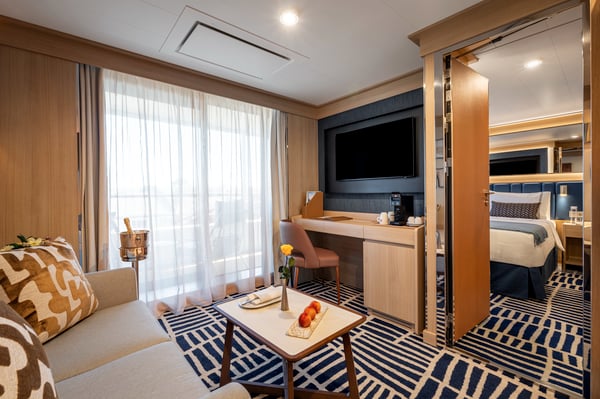
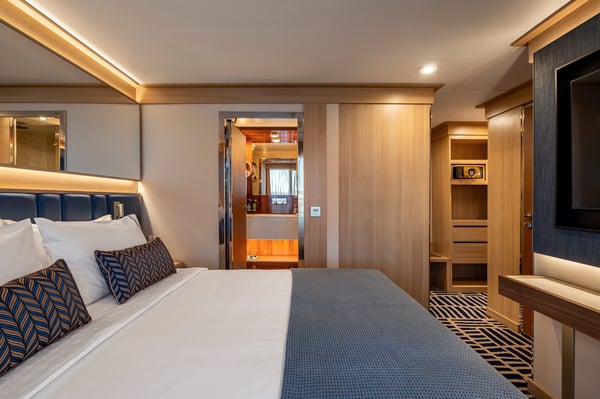
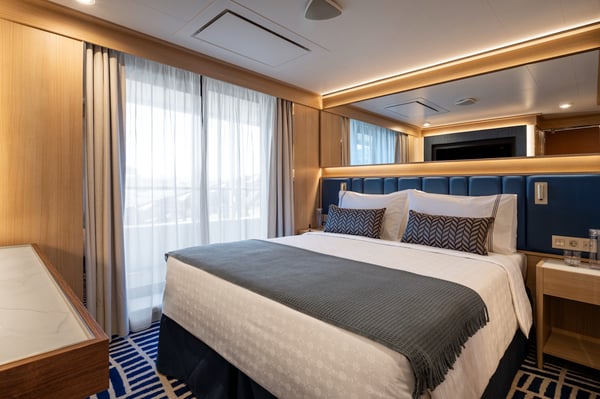
Deluxe Suite
The Deluxe Suite blends bright, open-plan living with refined décor and ocean-facing views. A comfortable sitting area, plush bedding and marble bathroom offer luxurious relaxation, while large windows ensure natural light fills the space, creating a calm and elegant onboard sanctuary.
Amenities
- Queen or Twin Configuration
- Vanity Area
- Shower
- Toiletries Provided
- TV
- Media/Entertainment Station
- Safe
- Hair Dryer
- Telephone
- Desk
- Air Conditioning
- Wi-Fi (Additional Cost)
- Mini Bar (Additional Cost)
Ship features
Star Seeker combines elegant yacht-style design with new innovations, offering Windstar’s most advanced ship to date.
- All-suite accommodation for 224 guests
- New suite categories, including Horizon Owner’s, Infinity, and Vista Suites
- Four restaurants, including a new speciality dining venue
- Infinity pool and spacious sun deck
- World Spa by Windstar with ocean-view treatment rooms
- Water sports marina with complimentary kayaks and paddleboards
- State-of-the-art sustainability technology and water filtration systems
- Ice-strengthened hull for polar itineraries
- Hybrid-ready propulsion and ship-to-shore connectivity
- Friendly, inclusive atmosphere and open-seating dining