Kyoto & the Zen of Japan Cruise Tour
GO ALL IN

Go All In
Drinks, gratuities, and WiFi included plus up to 40% off selected sailings.
 12 nights
 Star Seeker
 9 Mar '27
Cruise overview
From the tranquil Zen beauty of Kinkakuji Temple to the vibrant blinking plasma screens and incessant press of pedestrians throughout Tokyo’s Shibuya Station, this 12-day cruise tour throughout Japan combines pristine natural beauty with contemporary and cosmopolitan contrasts. Nibble on freshly caught fish paired with salty soy sauce and fiery wasabi in Shimizu’s world-famous Fish Market. Meander among East Asian relics and prehistoric stone tools in Busan’s museums, ornate temples and royal tombs in Gyeongju, one of South Korea’s most famous UNESCO World Heritage Sites. Sip steamy green tea in the peaceful shade of chestnut trees near the scenic Ritsurin Garden in Takamatsu City, or participate in the ancient rituals of a formal tea ceremony. Examine Kyoto’s majestic temples and storied Nijo Castle in detail as part of a 2-night inland stay, or explore the Zen temple of Tenryuji in scenic and peaceful Arashiyama, one of the most popular destinations in the city. It’s a perfect journey for those who love Japan, and adventurous travelers who want to go further inland to explore the distinctive culture and history of Kyoto.
Itinerary
Osaka
From Minami’s neon-lighted Dotombori and historic Tenno-ji to the high-rise class and underground shopping labyrinths of Kita, Osaka is a city that pulses with its own unique rhythm. Though Osaka has no shortage of tourist sites, it is the city itself that is the greatest attraction. Home to some of Japan’s best food, most unique fashions, and warmest locals, Osaka does not beg to be explored—it demands it. More than anywhere else in Japan, it rewards the impulsive turn down an interesting side street or the chat with a random stranger. People do not come here to see the city, they come to experience it.Excluded from the formal circles of power and aristocratic culture in 16th-century Edo (Tokyo), Osaka took advantage of its position as Japan’s trading center, developing its own art forms such as Bunraku puppet theater and Rakugo comic storytelling. It was in Osaka that feudal Japan’s famed Floating World—the dining, theater, and pleasure district—was at its strongest and most inventive. Wealthy merchants and common laborers alike squandered fortunes on culinary delights, turning Osaka into “Japan’s Kitchen,” a moniker the city still has today. Though the city suffered a blow when the Meiji government canceled all of the samurai class’s outstanding debts to the merchants, it was quick to recover. At the turn of the 20th century, it had become Japan’s largest and most prosperous city, a center of commerce and manufacturing.Today Osaka remains Japan’s iconoclastic metropolis, refusing to fit Tokyo’s norms and expectations. Unlike the hordes of Tokyo, Osakans are fiercely independent. As a contrast to the neon and concrete surroundings, the people of Osaka are known as Japan’s friendliest and most outgoing. Ask someone on the street for directions in Tokyo and you are lucky to get so much as a glance. Ask someone in Osaka and you get a conversation.The main areas of the city, Kita (north) and Minami (south), are divided by two rivers: the Dojima-gawa and the Tosabori-gawa. Between Kita and Minami is Naka-no-shima, an island and the municipal center of Osaka. Kita (north of Chuo Dori) is Osaka’s economic hub and contains Osaka’s largest stations: JR Osaka and Hankyu Umeda. The area is crammed with shops, department stores, and restaurants. Nearby are a nightlife district, Kita-shinchi; Naka-no-shima and the Museum of Oriental Ceramics; Osaka-jo (Osaka Castle); and Osaka Koen (Osaka Park). Restaurants, bars, department stores, and boutiques attract Osaka’s youth to Minami (south Chuo Dori); theatergoers head to the National Bunraku Theatre and electronics-lovers to Den Den Town. For a glimpse of old Osaka, visit Tenno-ji Temple and Shin Sekai. The main stations are Namba, Shin-sai-bashi, Namba Nankai, and Tenno-ji. There’s easy access to the Municipal Museum of Fine Art and Sumiyoshi Taisha (Sumiyoshi Grand Shrine).The bay area, to the west of the city center, is home to the Osaka Aquarium and Universal Studios Japan. The Shinkansen stops at Shin-Osaka, three stops (about five minutes) north of Osaka Station on the Mido-suji subway line. To the north of Shin-Osaka is Senri Expo Park.
Read More
Kyoto
Osaka
Takamatsu
Takamatsu
Hiroshima
Karatsu
Busan
Nagasaki
Kagoshima
 At sea
Shimizu
Tokyo
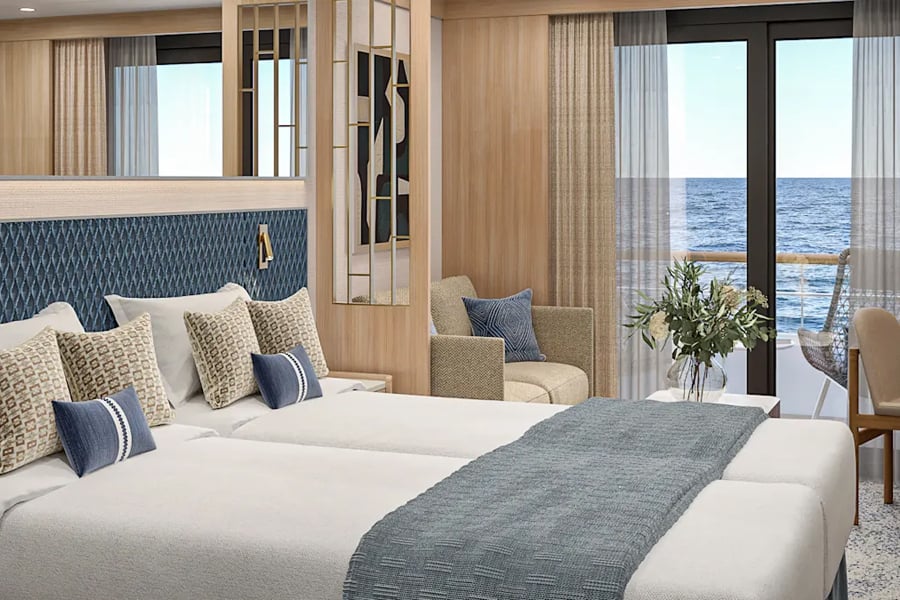
Classic Suite
The Classic Suite provides timeless comfort with a refined ambience. Featuring a separate sleeping area, comfortable lounge and large picture windows, it combines elegant simplicity with thoughtful details, offering guests a peaceful retreat perfectly suited to Windstar’s relaxed yet luxurious style of cruising.

Amenities
- Queen or Twin Configuration
- Lounge Area
- Vanity Area
- Shower
- Toiletries Provided
- TV
- Media/Entertainment Station
- Safe
- Hair Dryer
- Telephone
- Desk
- Air Conditioning
- Wi-Fi (Additional Cost)
- Mini Bar (Additional Cost)
Ship features
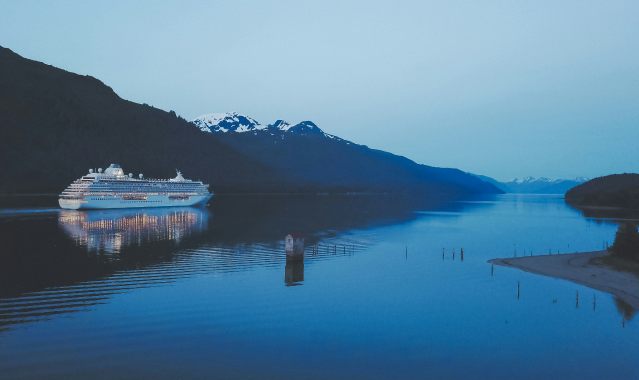
Star Seeker combines elegant yacht-style design with new innovations, offering Windstar’s most advanced ship to date.
- All-suite accommodation for 224 guests
- New suite categories, including Horizon Owner’s, Infinity, and Vista Suites
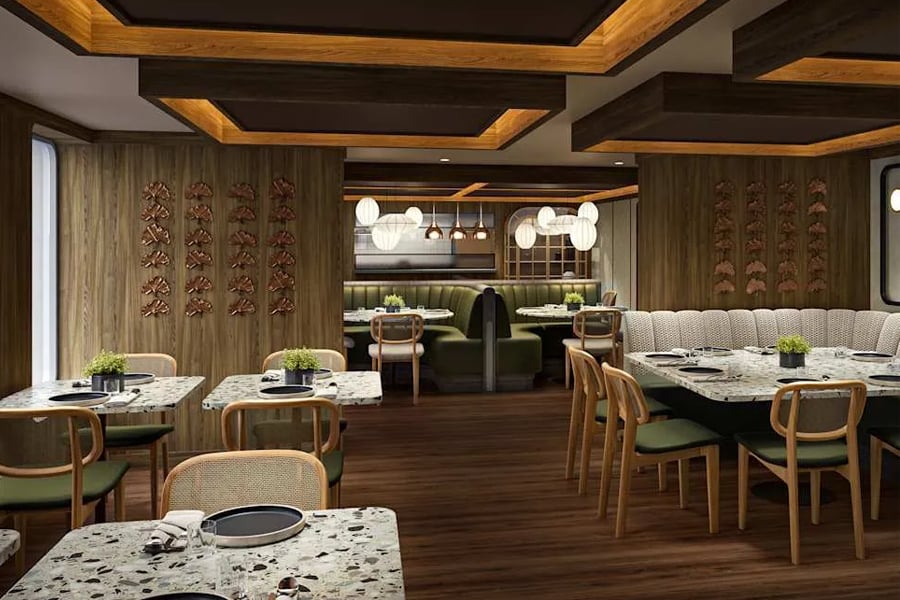
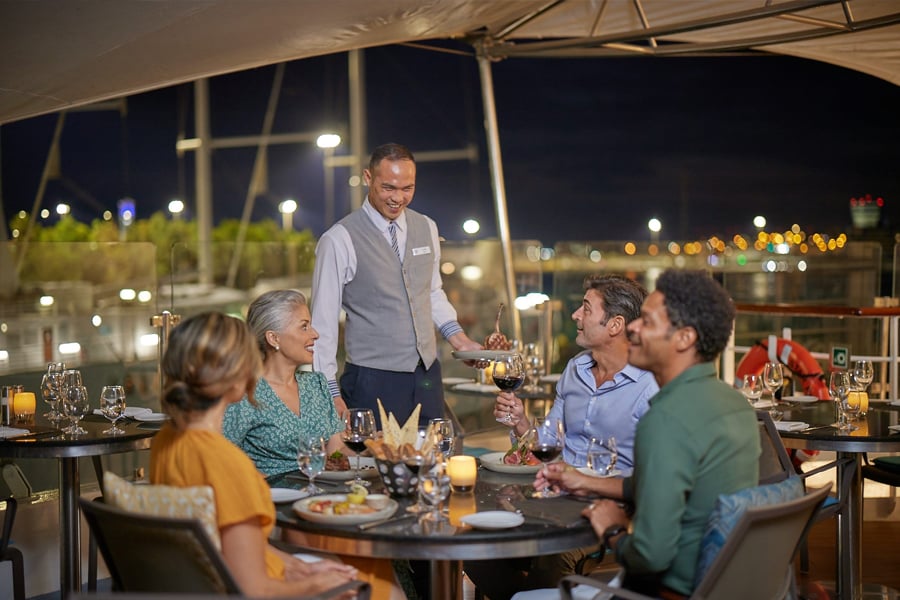
- Four restaurants, including a new speciality dining venue
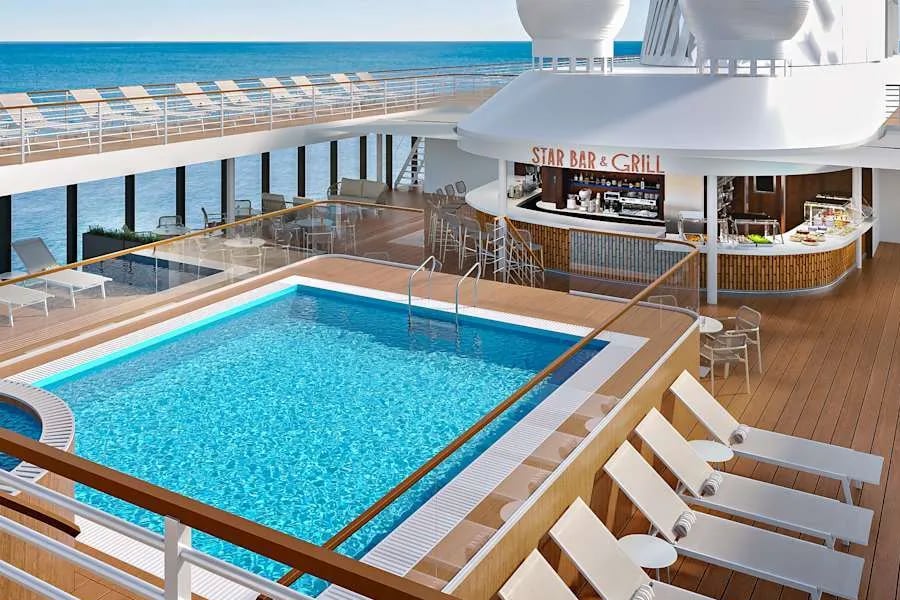
- Infinity pool and spacious sun deck
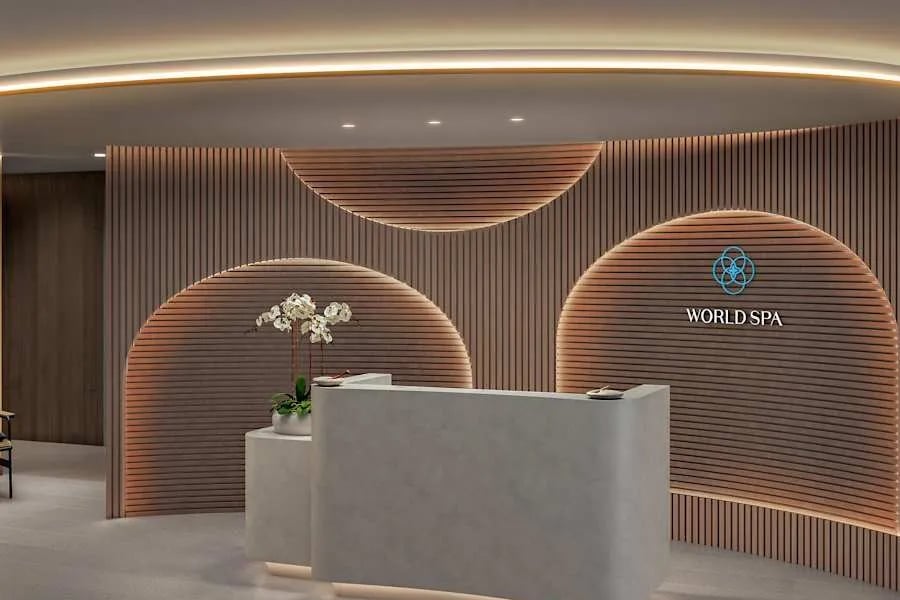
- World Spa by Windstar with ocean-view treatment rooms
- Water sports marina with complimentary kayaks and paddleboards
- State-of-the-art sustainability technology and water filtration systems
- Ice-strengthened hull for polar itineraries
- Hybrid-ready propulsion and ship-to-shore connectivity
- Friendly, inclusive atmosphere and open-seating dining