East Asian Legends
GO ALL IN

Go All In
Drinks, gratuities, and WiFi included plus up to 40% off selected sailings.
 10 nights
 Star Seeker
 5 Nov '26
Cruise overview
Discover the surprising diversity of East Asian cultures as you make your way from Osaka and Kyoto’s traditional Japan, full of ancient temples and tea houses, to southern Japan’s Ryukyu Islands with their subtropical beaches and unique culture formed from their time as part of the Ryukyu Kingdom. The Ryukyu Kingdom was an independent kingdom in East Asia that existed from the 15th to the 19th century, known for its trade hub and intricate castle designs. On Amami Island, instead of sake you’ll find kokuto shochu made of brown sugar, and instead of brightly colored kimonos find complex patterns in earth tones made with a mud-dyed technique that’s been unchanged for 1,300 years. Shop for distinctive and colorful Ryukyu glass in Okinawa, once made from the old bottles discarded by U.S. troops. Explore the historic homes in Ishigaki’s Yaima Village, an open-air museum of traditional Ryukyu-style houses. Taiwan was once called Formosa, and for good reason. The word means “the beautiful,” and just beyond the urban landscape lie bamboo forests, tropical jungles, simmering hot springs, and waterfalls. In the capital, Taipei, browse the National Palace Museum’s massive collection of Chinese art treasures or head to the old-town market where you’ll find Chinese medicine apothecaries, traditional handicrafts and more. An overnight in Hong Kong reveals a culture that blends Chinese and British colonial influences. Take a sampan to the floating city of Aberdeen past red-sailed junks. Admire the colonial architecture along Garden Road and listen for the noon-day gun, a tradition established by the British in the 1860s. It’s a cultural montage that makes each of these ports unique, flavoring everything from the architecture to the delectable street food.
Itinerary
Osaka
From Minami’s neon-lighted Dotombori and historic Tenno-ji to the high-rise class and underground shopping labyrinths of Kita, Osaka is a city that pulses with its own unique rhythm. Though Osaka has no shortage of tourist sites, it is the city itself that is the greatest attraction. Home to some of Japan’s best food, most unique fashions, and warmest locals, Osaka does not beg to be explored—it demands it. More than anywhere else in Japan, it rewards the impulsive turn down an interesting side street or the chat with a random stranger. People do not come here to see the city, they come to experience it.Excluded from the formal circles of power and aristocratic culture in 16th-century Edo (Tokyo), Osaka took advantage of its position as Japan’s trading center, developing its own art forms such as Bunraku puppet theater and Rakugo comic storytelling. It was in Osaka that feudal Japan’s famed Floating World—the dining, theater, and pleasure district—was at its strongest and most inventive. Wealthy merchants and common laborers alike squandered fortunes on culinary delights, turning Osaka into “Japan’s Kitchen,” a moniker the city still has today. Though the city suffered a blow when the Meiji government canceled all of the samurai class’s outstanding debts to the merchants, it was quick to recover. At the turn of the 20th century, it had become Japan’s largest and most prosperous city, a center of commerce and manufacturing.Today Osaka remains Japan’s iconoclastic metropolis, refusing to fit Tokyo’s norms and expectations. Unlike the hordes of Tokyo, Osakans are fiercely independent. As a contrast to the neon and concrete surroundings, the people of Osaka are known as Japan’s friendliest and most outgoing. Ask someone on the street for directions in Tokyo and you are lucky to get so much as a glance. Ask someone in Osaka and you get a conversation.The main areas of the city, Kita (north) and Minami (south), are divided by two rivers: the Dojima-gawa and the Tosabori-gawa. Between Kita and Minami is Naka-no-shima, an island and the municipal center of Osaka. Kita (north of Chuo Dori) is Osaka’s economic hub and contains Osaka’s largest stations: JR Osaka and Hankyu Umeda. The area is crammed with shops, department stores, and restaurants. Nearby are a nightlife district, Kita-shinchi; Naka-no-shima and the Museum of Oriental Ceramics; Osaka-jo (Osaka Castle); and Osaka Koen (Osaka Park). Restaurants, bars, department stores, and boutiques attract Osaka’s youth to Minami (south Chuo Dori); theatergoers head to the National Bunraku Theatre and electronics-lovers to Den Den Town. For a glimpse of old Osaka, visit Tenno-ji Temple and Shin Sekai. The main stations are Namba, Shin-sai-bashi, Namba Nankai, and Tenno-ji. There’s easy access to the Municipal Museum of Fine Art and Sumiyoshi Taisha (Sumiyoshi Grand Shrine).The bay area, to the west of the city center, is home to the Osaka Aquarium and Universal Studios Japan. The Shinkansen stops at Shin-Osaka, three stops (about five minutes) north of Osaka Station on the Mido-suji subway line. To the north of Shin-Osaka is Senri Expo Park.
Read More
 At sea
Amami Ōshima
Okinawa
Ishigaki
Keelung (Chilung)
At sea
Hong Kong
Hong Kong
At sea
Ha Long Bay
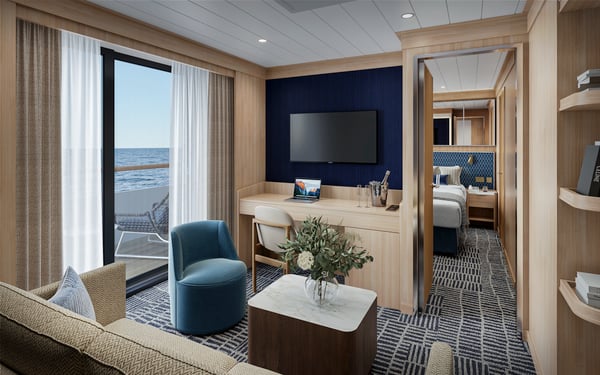
Deluxe Suite
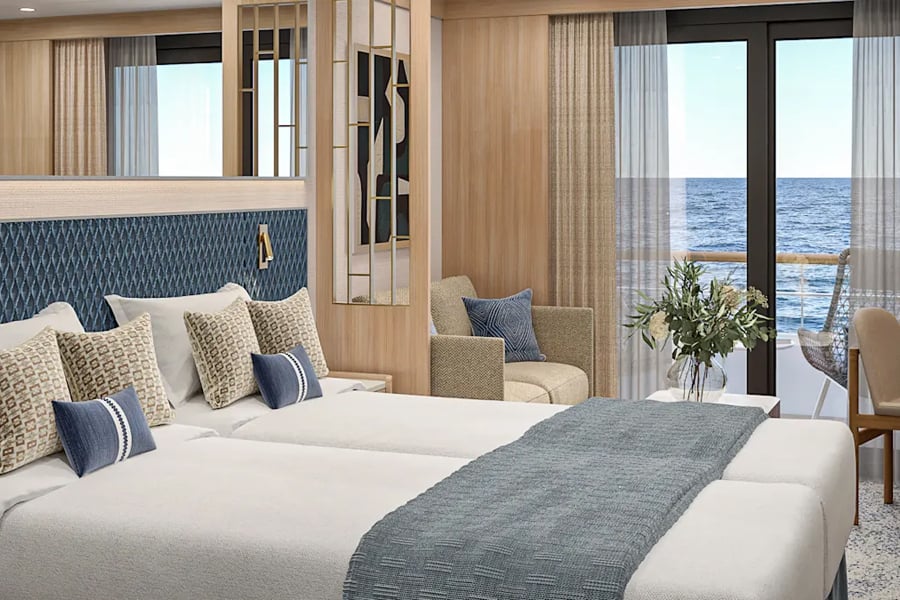
The Deluxe Suite blends bright, open-plan living with refined décor and ocean-facing views. A comfortable sitting area, plush bedding and marble bathroom offer luxurious relaxation, while large windows ensure natural light fills the space, creating a calm and elegant onboard sanctuary.
Amenities
- Queen or Twin Configuration
- Vanity Area
- Shower
- Toiletries Provided
- TV
- Media/Entertainment Station
- Safe
- Hair Dryer
- Telephone
- Desk
- Air Conditioning
- Wi-Fi (Additional Cost)
- Mini Bar (Additional Cost)
Ship features
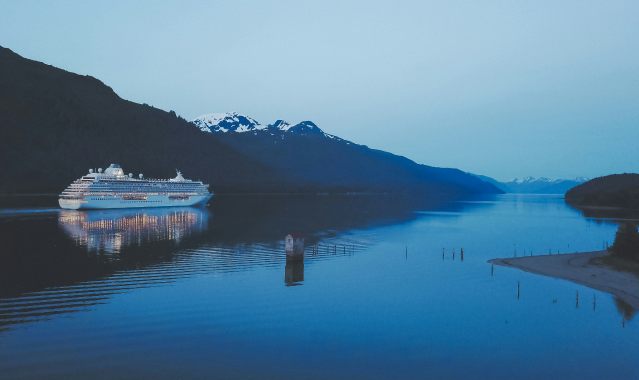
Star Seeker combines elegant yacht-style design with new innovations, offering Windstar’s most advanced ship to date.
- All-suite accommodation for 224 guests
- New suite categories, including Horizon Owner’s, Infinity, and Vista Suites
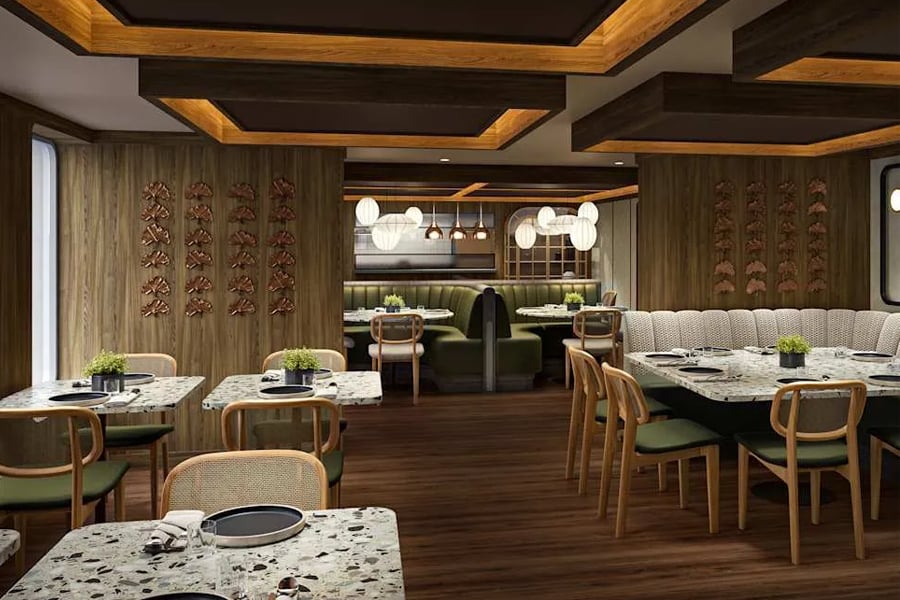
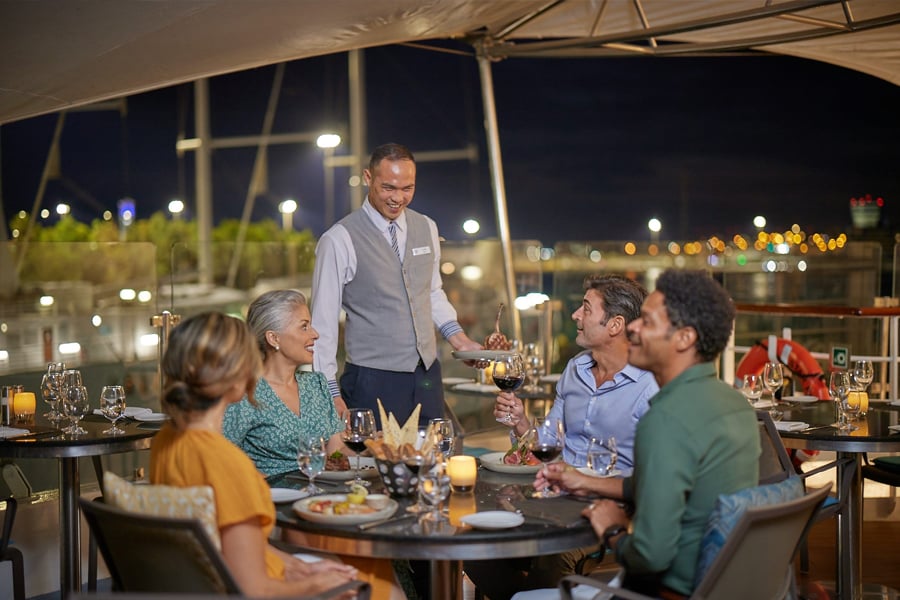
- Four restaurants, including a new speciality dining venue
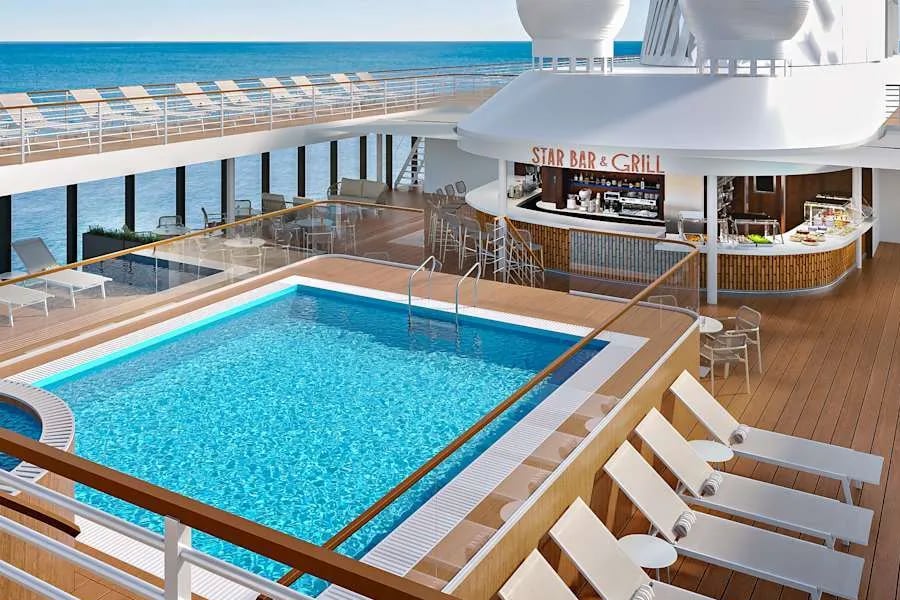
- Infinity pool and spacious sun deck
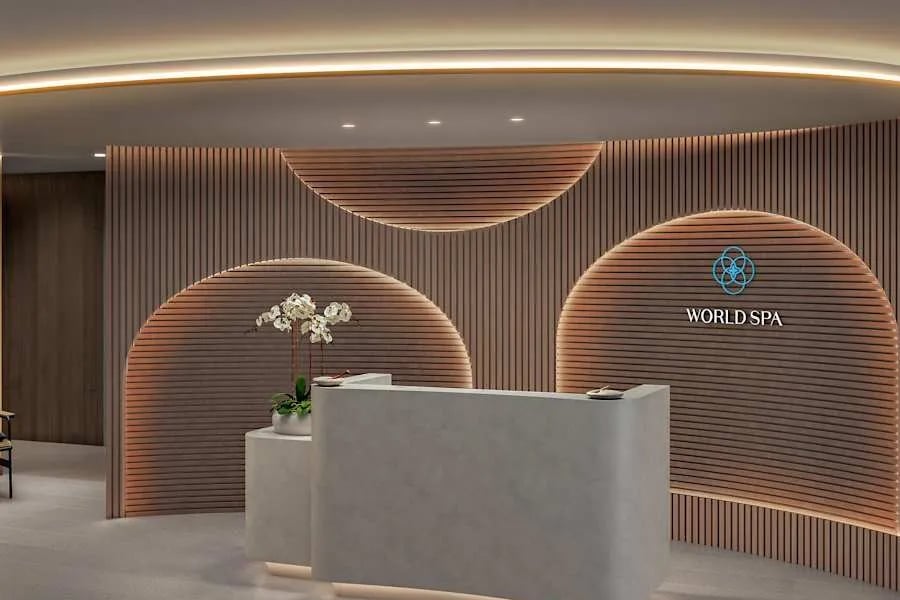
- World Spa by Windstar with ocean-view treatment rooms
- Water sports marina with complimentary kayaks and paddleboards
- State-of-the-art sustainability technology and water filtration systems
- Ice-strengthened hull for polar itineraries
- Hybrid-ready propulsion and ship-to-shore connectivity
- Friendly, inclusive atmosphere and open-seating dining