- Home>
- Cruise Lines>
- SeaDream Yacht Club>
- SeaDream II>
- Adriatic & Greek Isles
Adriatic & Greek Isles, 17 September 2028

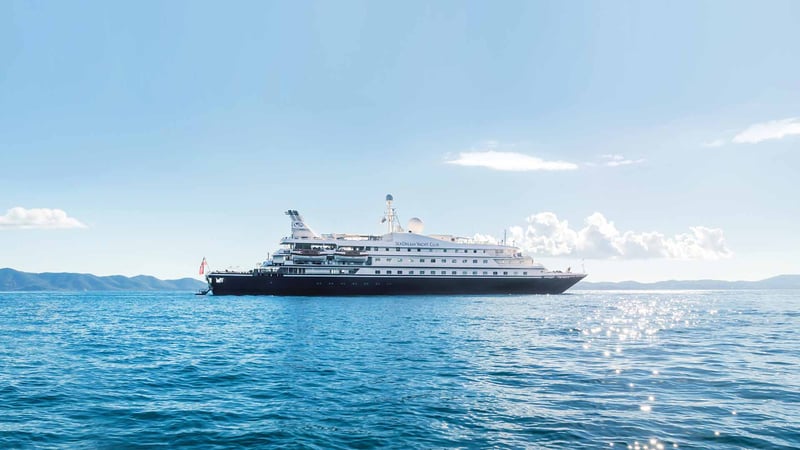
 7 nights
 SeaDream II
 17 Sep '28
Cruise overview
Sail from Dubrovnik to Athens on a journey that moves seamlessly from the Adriatic’s dramatic coastline to the sunlit islands of the Aegean. Begin in Kotor, where mountains rise steeply from the bay and a medieval Old Town unfolds within ancient walls, before continuing to Corfu, where layered influences shape elegant squares and lush landscapes. In Fiskardo on Kefalonia, colorful houses line a peaceful harbor, while Pylos offers a quieter glimpse of Greece, rich with history and unspoiled coastal beauty. In Santorini, whitewashed villages perch above a volcanic caldera with sweeping views of the sea, followed by Mykonos, where winding lanes, iconic windmills, and a vibrant waterfront create a lively contrast. Your journey concludes in Athens, where hilltop ruins overlook a city alive with cafés, markets, and layered history.
Itinerary
Dubrovnik
Nothing can prepare you for your first sight of Dubrovnik. Lying 216 km (135 miles) southeast of Split and commanding a jaw-dropping coastal location, it is one of the world’s most beautiful fortified cities. Its massive stone ramparts and fortress towers curve around a tiny harbor, enclosing graduated ridges of sun-bleached orange-tiled roofs, copper domes, and elegant bell towers. Your imagination will run wild picturing what it looked like seven centuries ago when the walls were built, without any suburbs or highways around it, just this magnificent stone city rising out of the sea.In the 7th century AD, residents of the Roman city Epidaurum (now Cavtat) fled the Avars and Slavs of the north and founded a new settlement on a small rocky island, which they named Laus, and later Ragusa. On the mainland hillside opposite the island, the Slav settlement called Dubrovnik grew up. In the 12th century the narrow channel separating the two settlements was filled in (now the main street through the Old Town, called Stradun), and Ragusa and Dubrovnik became one. The city was surrounded by defensive walls during the 13th century, and these were reinforced with towers and bastions in the late 15th century.From 1358 to 1808 the city thrived as a powerful and remarkably sophisticated independent republic, reaching its golden age during the 16th century. In 1667 many of its splendid Gothic and Renaissance buildings were destroyed by an earthquake. The defensive walls survived the disaster, and the city was rebuilt in baroque style.Dubrovnik lost its independence to Napoléon in 1808, and in 1815 passed to Austria-Hungary. During the 20th century, as part of Yugoslavia, the city became a popular tourist destination, and in 1979 it was listed as a UNESCO World Heritage Site. During the war for independence, it came under heavy siege. Thanks to careful restoration, few traces of damage remain; however, there are maps inside the Pile and Ploče Gates illustrating the points around the city where damage was done. It’s only when you experience Dubrovnik yourself that you can understand what a treasure the world nearly lost
Read More
Kotor
Corfu
Fiskárdo
Pýlos
Santorini
Mykonos
Piraeus
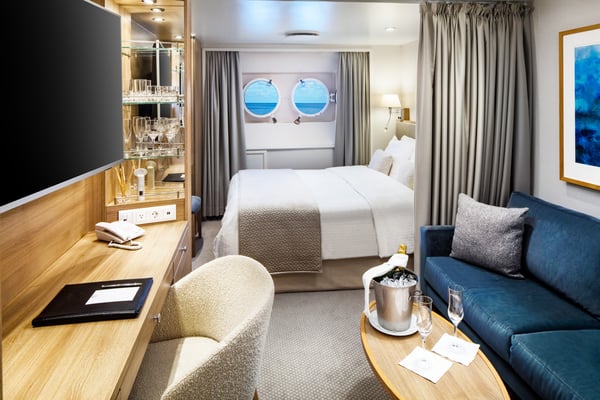
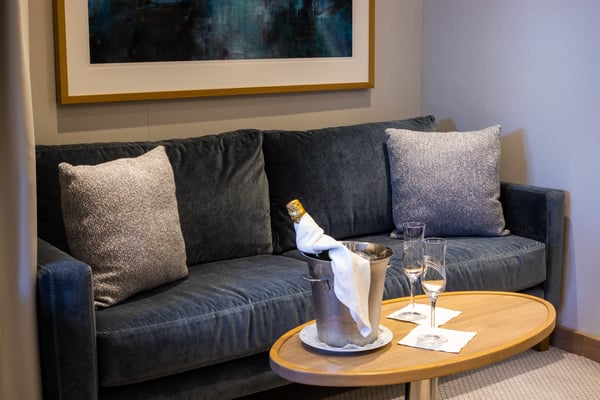
Yacht Club Stateroom – Deck 2
Ocean-view stateroom with twin or queen configuration, private bath, modern amenities.

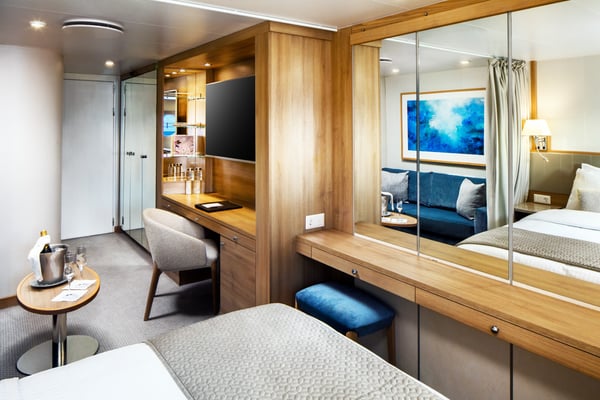
Amenities
- Queen or Twin Configuration
- Shower
- Toiletries Provided
- Room Service Available
- TV
- Safe
- Hair Dryer
- Telephone
- Desk
- Lounge Area
- Vanity Area
- Free Mini Bar
- Wi-Fi (Additional Cost)
- Air Conditioning
Ship features
SeaDream II blends yachting intimacy with luxury amenities in a compact and elegant package.
- Boutique-sized vessel hosting no more than 112 guests
- Open-deck living with Balinese Dream Beds
- Two gourmet dining venues including Dining Salon and Topside Restaurant
- Watersports marina with complimentary use of equipment
- Piano Bar, Pool Deck, open-air cinema and golf simulator
- Spa, fitness centre and wellness spaces
- Boutique, library and lounge areas
- Relaxed dress code and daytime flexibility