Greek Isles Discovery

 7 nights
 SeaDream I
 19 Aug '28
Cruise overview
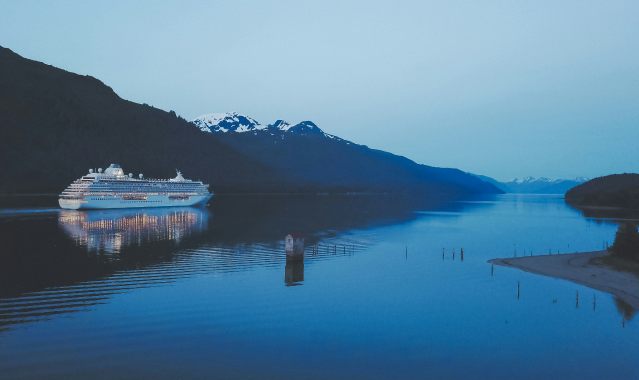
Sail round trip from Athens on a Greek Isles yachting adventure that blends ancient wonders, island beauty, and modern elegance. In Mykonos, stroll along whitewashed streets and seaside cafés before visiting Kusadasi, gateway to the magnificent ruins of Ephesus. Discover the spiritual calm of Patmos and the untouched charm of Ikaria, known for its natural hot springs and famously unhurried way of life. In Santorini, admire the caldera’s breathtaking views and sample fine island wines at sunset. Drop anchor off Kythnos’ Kolona Beach, a stunning sandbar connecting two sparkling bays, before returning to Athens, refreshed by the timeless rhythm of the Aegean.
Itinerary
Piraeus
It’s no wonder that all roads lead to the fascinating and maddening metropolis of Athens. Lift your eyes 200 feet above the city to the Parthenon, its honey-color marble columns rising from a massive limestone base, and you behold architectural perfection that has not been surpassed in 2,500 years. But, today, this shrine of classical form dominates a 21st-century boomtown. To experience Athens—Athína in Greek—fully is to understand the essence of Greece: ancient monuments surviving in a sea of cement, startling beauty amid the squalor, tradition juxtaposed with modernity. Locals depend on humor and flexibility to deal with the chaos; you should do the same. The rewards are immense. Although Athens covers a huge area, the major landmarks of the ancient Greek, Roman, and Byzantine periods are close to the modern city center. You can easily walk from the Acropolis to many other key sites, taking time to browse in shops and relax in cafés and tavernas along the way. From many quarters of the city you can glimpse “the glory that was Greece” in the form of the Acropolis looming above the horizon, but only by actually climbing that rocky precipice can you feel the impact of the ancient settlement. The Acropolis and Filopappou, two craggy hills sitting side by side; the ancient Agora (marketplace); and Kerameikos, the first cemetery, form the core of ancient and Roman Athens. Along the Unification of Archaeological Sites promenade, you can follow stone-paved, tree-lined walkways from site to site, undisturbed by traffic. Cars have also been banned or reduced in other streets in the historical center. In the National Archaeological Museum, vast numbers of artifacts illustrate the many millennia of Greek civilization; smaller museums such as the Goulandris Museum of Cycladic Art Museum and the Byzantine and Christian Museum illuminate the history of particular regions or periods. Athens may seem like one huge city, but it is really a conglomeration of neighborhoods with distinctive characters. The Eastern influences that prevailed during the 400-year rule of the Ottoman Empire are still evident in Monastiraki, the bazaar area near the foot of the Acropolis. On the northern slope of the Acropolis, stroll through Plaka (if possible by moonlight), an area of tranquil streets lined with renovated mansions, to get the flavor of the 19th-century’s gracious lifestyle. The narrow lanes of Anafiotika, a section of Plaka, thread past tiny churches and small, color-washed houses with wooden upper stories, recalling a Cycladic island village. In this maze of winding streets, vestiges of the older city are everywhere: crumbling stairways lined with festive tavernas; dank cellars filled with wine vats; occasionally a court or diminutive garden, enclosed within high walls and filled with magnolia trees and the flaming trumpet-shaped flowers of hibiscus bushes. Formerly run-down old quarters, such as Thission, Gazi and Psirri, popular nightlife areas filled with bars and mezedopoleia (similar to tapas bars), are now in the process of gentrification, although they still retain much of their original charm, as does the colorful produce and meat market on Athinas. The area around Syntagma Square, the tourist hub, and Omonia Square, the commercial heart of the city about 1 km (½ mi) northwest, is distinctly European, having been designed by the court architects of King Otho, a Bavarian, in the 19th century. The chic shops and bistros of ritzy Kolonaki nestle at the foot of Mt. Lycabettus, Athens’s highest hill (909 feet). Each of Athens’s outlying suburbs has a distinctive character: in the north is wealthy, tree-lined Kifissia, once a summer resort for aristocratic Athenians, and in the south and southeast lie Glyfada, Voula, and Vouliagmeni, with their sandy beaches, seaside bars, and lively summer nightlife. Just beyond the city’s southern fringes is Piraeus, a bustling port city of waterside fish tavernas and Saronic Gulf views.
Read More
Mykonos
Kusadasi
Pátmos
Icaria
Santorini
Kythnos
Piraeus
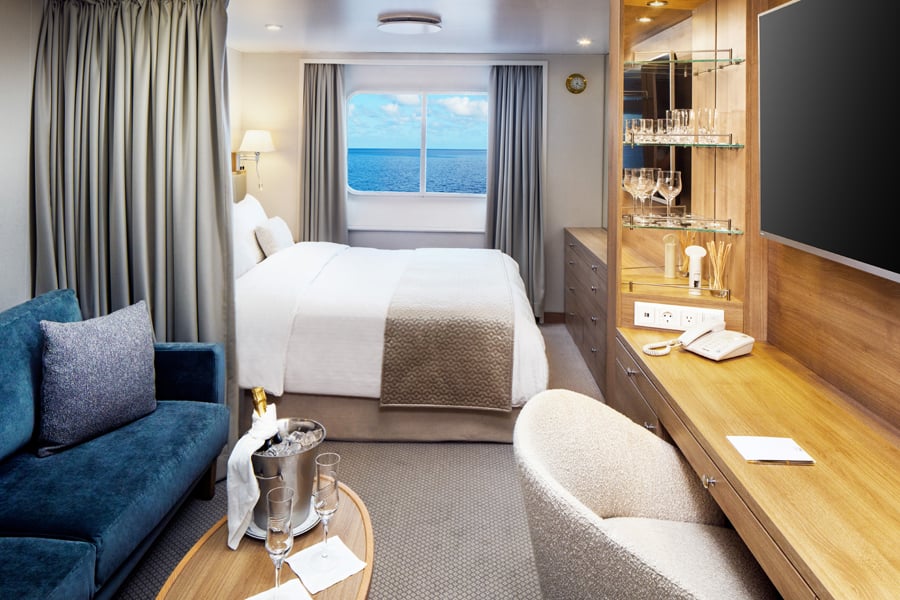
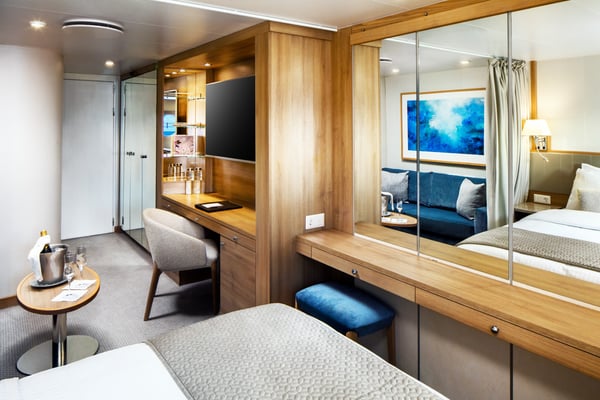
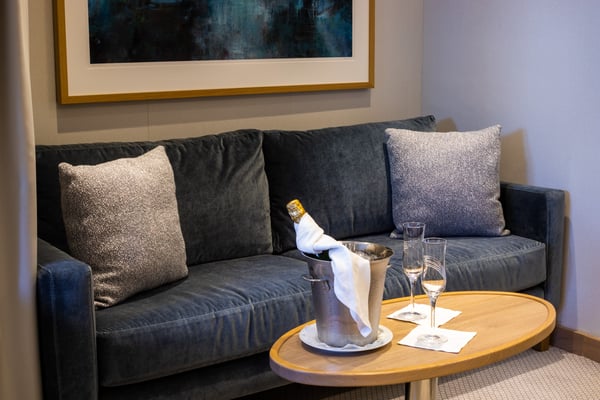
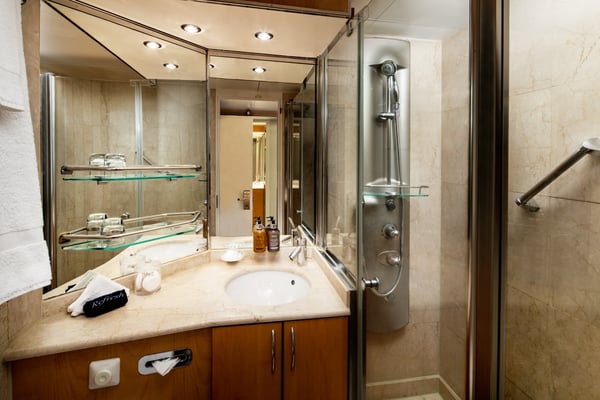
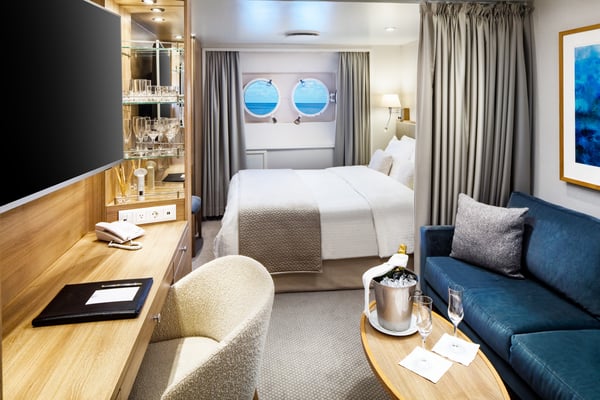
Yacht Club Stateroom – Deck 2
A refined ocean-view retreat with elegant styling and clever storage, ideal for couples or solo travellers who value serenity and space.
Amenities
- Queen or Twin Configuration
- Shower
- Toiletries Provided
- Room Service Available
- TV
- Wi-Fi (Additional Cost)
- Safe
- Hair Dryer
- Telephone
- Desk
- Lounge Area
- Vanity Area
- Free Mini Bar
- Air Conditioning
Ship features
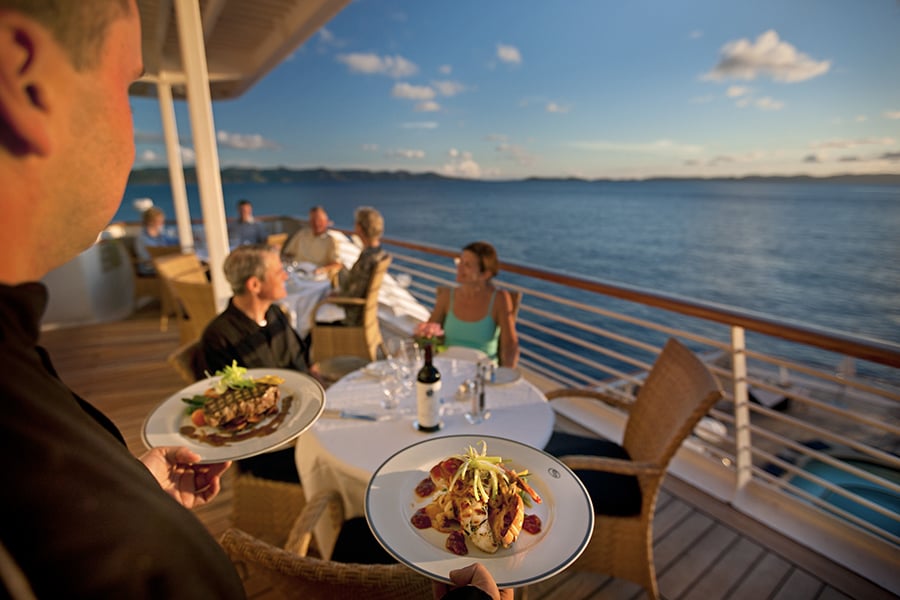
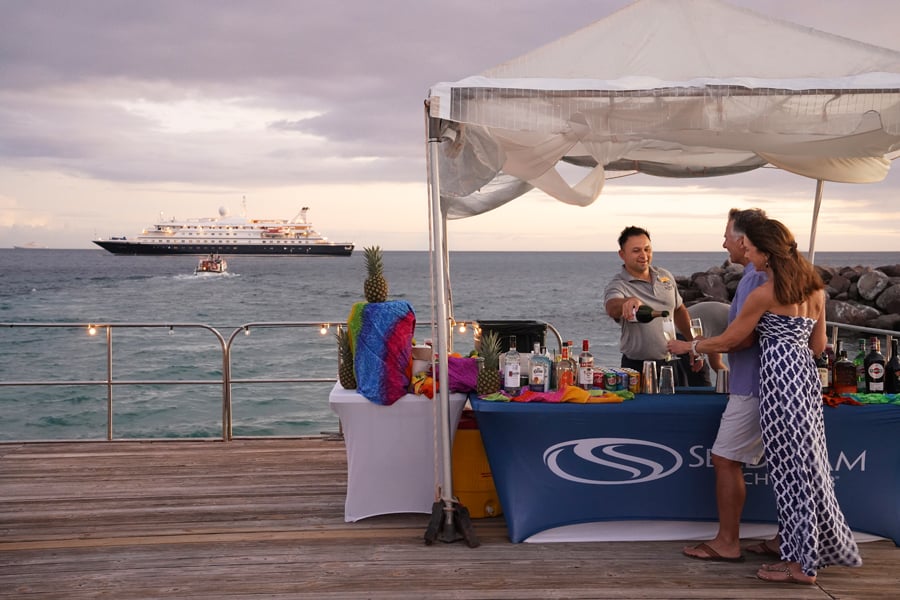
SeaDream I blends boutique-yacht style with personalised service and casually elegant dining.
- All ocean-view accommodation for 112 guests
- 1:1 guest to crew service
- Open-seating dining across two venues
- Watersports marina with complimentary toys
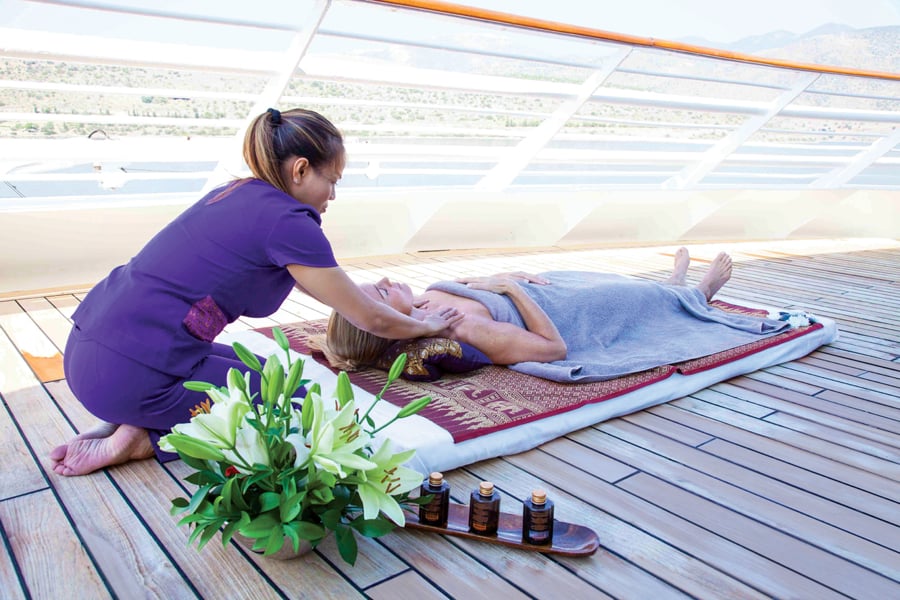
- SeaDream Spa with sauna and steam room
- Fitness suite plus yoga and Tai Chi on deck
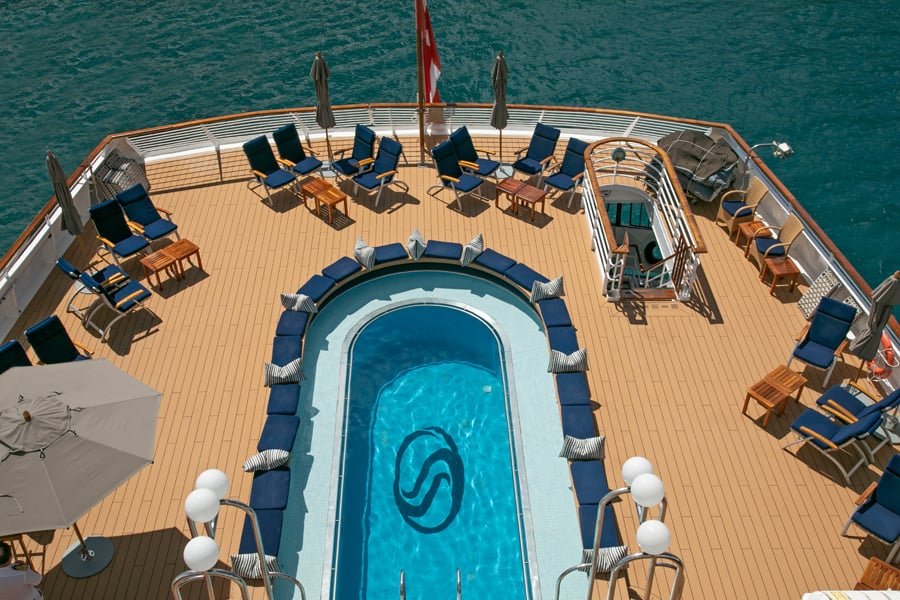
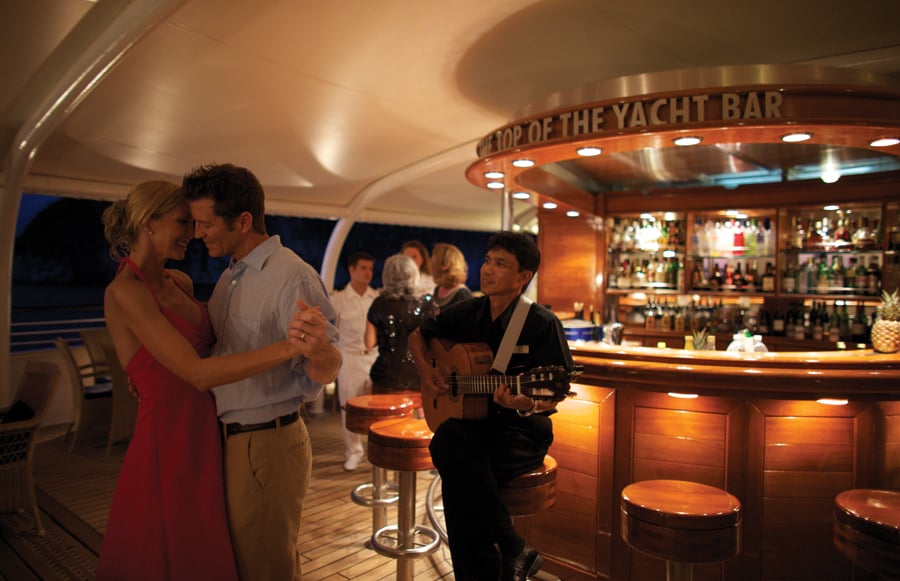
- Top of the Yacht Bar and chic outdoor spaces
- Splash pool, jacuzzi, and golf simulator
- Mediterranean summers and Caribbean winters
- Informal atmosphere with no formal nights