Dubrovnik to Athens: The Tide of Time

 12 nights
 Douglas Mawson
 2 Aug '26
Cruise overview
Welcome to AE Expeditions’ The Tide of Time Explore the dynamic coastlines of Croatia, Montenegro, Albania and Greece, where centuries of history unfold amid stunning landscapes and vibrant cultures. From the enduring legacies of Ancient Greece and Rome to the diverse influences of the Byzantine, Ottoman and Venetian empires, these lands abound with tales of conquests, alliances and cultural exchanges that resonate today. Approaching by sea, we marvel at Dubrovnik’s imposing city walls and savour the charm of Kotor’s fjord-fed waterfront. We discover Albania’s hidden gems, long hidden by travel restrictions, and sail to the picturesque ‘holiday island’ of Corfu, before navigating the engineering marvel of the Corinth Canal and exploring the mystical Oracle of Delphi. Our journey ends in Athens, where myth and modernity seamlessly blend amid ancient ruins, and a bustling city life embodies ‘everything Mediterranean’. This voyage promises an exploration of one of Europe’s most diverse regions, revealing enduring legacies that make this corner of the Mediterranean a must-see destination.
Itinerary
Dubrovnik
Welcome to Croatia. On arrival at Dubrovnik airport, make your way to the Arrivals Hall to meet our representative, followed by a transfer to our group hotel. At the hotel, visit our hospitality desk in the lobby, to meet our team, who will provide you with useful information regarding pre-embarkation procedures and about your time in Dubrovnik. You will also receive cabin tags for your luggage. Please clearly label the tags with your name and your cabin number on the ship. Your day is at leisure to explore independently, enjoy the hotel facilities or simply relax after your flight. This evening, we invite you to join us in celebration to start our journey, where you will meet your host and fellow passengers at a Welcome Event. Accommodation: Dubrovnik Hotel Meals: Welcome Event canapés
Nothing can prepare you for your first sight of Dubrovnik. Lying 216 km (135 miles) southeast of Split and commanding a jaw-dropping coastal location, it is one of the world’s most beautiful fortified cities. Its massive stone ramparts and fortress towers curve around a tiny harbor, enclosing graduated ridges of sun-bleached orange-tiled roofs, copper domes, and elegant bell towers. Your imagination will run wild picturing what it looked like seven centuries ago when the walls were built, without any suburbs or highways around it, just this magnificent stone city rising out of the sea.In the 7th century AD, residents of the Roman city Epidaurum (now Cavtat) fled the Avars and Slavs of the north and founded a new settlement on a small rocky island, which they named Laus, and later Ragusa. On the mainland hillside opposite the island, the Slav settlement called Dubrovnik grew up. In the 12th century the narrow channel separating the two settlements was filled in (now the main street through the Old Town, called Stradun), and Ragusa and Dubrovnik became one. The city was surrounded by defensive walls during the 13th century, and these were reinforced with towers and bastions in the late 15th century.From 1358 to 1808 the city thrived as a powerful and remarkably sophisticated independent republic, reaching its golden age during the 16th century. In 1667 many of its splendid Gothic and Renaissance buildings were destroyed by an earthquake. The defensive walls survived the disaster, and the city was rebuilt in baroque style.Dubrovnik lost its independence to Napoléon in 1808, and in 1815 passed to Austria-Hungary. During the 20th century, as part of Yugoslavia, the city became a popular tourist destination, and in 1979 it was listed as a UNESCO World Heritage Site. During the war for independence, it came under heavy siege. Thanks to careful restoration, few traces of damage remain; however, there are maps inside the Pile and Ploče Gates illustrating the points around the city where damage was done. It’s only when you experience Dubrovnik yourself that you can understand what a treasure the world nearly lost
Read More
Dubrovnik
Hvar Island
Korčula
Kotor
Durrës
Sarandë
Corfu
Delphi
Náfplion
Athens
Athens
Athens
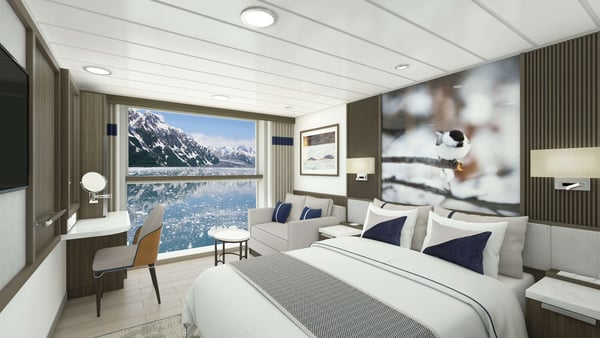
Aurora Stateroom Superior
Spacious mid-deck rooms with large picture windows offering natural light and ocean views.

Amenities
- King or Twin Configuration
- Vanity Area
- Shower
- Toiletries Provided
- TV
- Safe
- Desk
- Mini Bar (Additional Cost)
- Lounge Area
- Hair Dryer
- Telephone
- Air Conditioning
Ship features
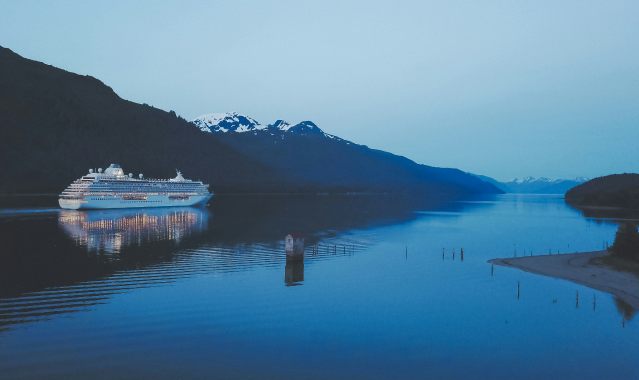
Douglas Mawson brings expedition capability and boutique comfort together, offering travellers an authentic yet luxurious way to experience the Earth’s wild frontiers.
- 154-guest expedition vessel
- Ulstein X-Bow for stability and efficiency
- 15 Zodiacs with four embarkation points
- Observation lounge and glass atrium
- Spacious lecture theatre and science centre
- Outdoor hot tubs and wellness area
- Sauna and gym with panoramic views
- Dedicated mudroom and gear storage
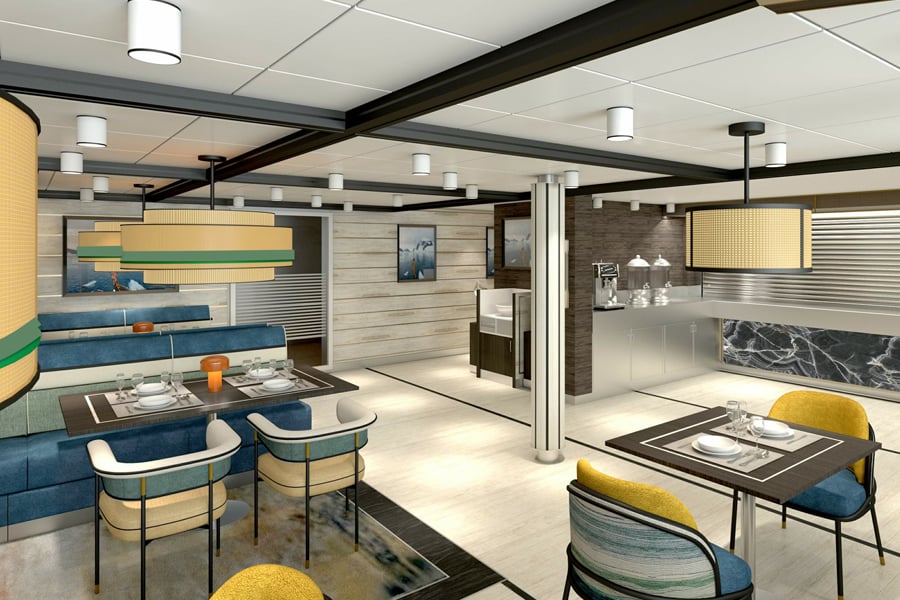
- Modern restaurant and casual lounge bar
- Expert-led enrichment and daily briefings